
Professional Oven Care / Streatham
Oven Cleaning Streatham
New to the appliance? Start with what you can identify.
If you have inherited an oven with a new home, you may know very little about its liners, cleaning history or removable parts. That is a reason for a careful enquiry, not a reason to guess. Professional Oven Care can discuss oven cleaning for your Streatham address using the model, visible condition and access details. The full quote and appointment availability are confirmed individually. This guide helps you prepare a first clean while recognising what remains unknown.
Unknown appliance history acknowledged
Model information gathered sensibly
Scope agreed before dismantling
Begin without inventing the history
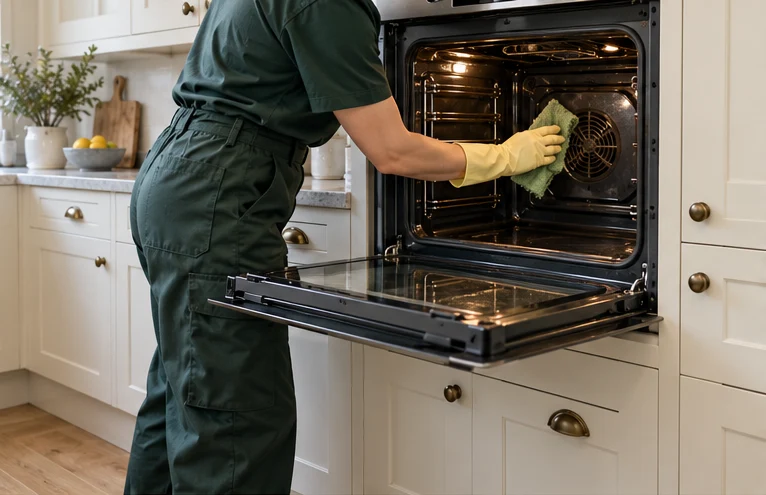
Photograph the cold appliance and ask useful questions.
Look for the make and model in the manual or on an accessible label around the door area. Do not pull an installed appliance out merely to find information. A photograph of the controls, open cavity and accessories can help explain what is fitted when you cannot confidently identify the configuration.
Note visible deposits and apparent damage separately. You may not know which marks predate your arrival or which products were used previously. Say that openly. Guessing that every panel is ordinary enamel or that a loose support was always designed that way can create the wrong expectation about cleaning and refitting.
The main London oven cleaning page gives the general service outline. For a Streatham enquiry, provide the full postcode and access contact. Public London coverage does not by itself confirm availability, the right method for an unfamiliar appliance or permission to access a particular property.
Learn what can appropriately come out
Removable does not always mean interchangeable.
Suitable shelves and trays may be treated separately, including the published dip-tank process where appropriate. Other accessories can have coatings, moving mechanisms or care restrictions that change the method. Keep them available for inspection rather than grouping everything into one bag of metal parts with no indication of where it belongs.
Specialist liners should be identified before treatment. A self-cleaning label can refer to different systems, and it does not establish how every surface or accessory should be handled. If the manual is missing, use the model information to guide the discussion rather than testing a strong cleaner on an uncertain panel.
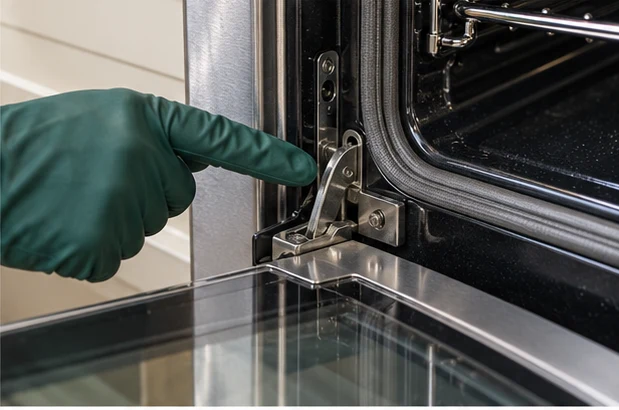
Door glass access depends on the assembly and fittings. Mention chips, a loose handle, damaged seals or a door that does not close properly. Leave the appliance assembled for assessment; dismantling an unfamiliar door can create a refitting problem and make the starting condition harder to understand.
Choose the first visit deliberately
A fresh start does not require an undefined package.
List the compartments you want cleaned, including a separate grill, and identify the accessories. Ask whether hob or extractor work is needed and have it specified separately. An unfamiliar kitchen can make it tempting to request everything at once, but a clear list is more useful than a broad promise that leaves the actual work uncertain.
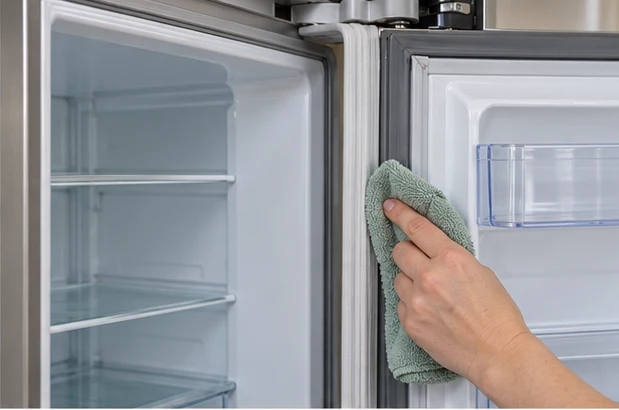
If the fridge also came with the property, see fridge cleaning and discuss food storage, shelves and seals before booking. Its preparation differs from the oven. A combined enquiry should identify both appliances and leave workable space for each rather than using one as temporary storage while the other is cleaned.
For unusual operation, read the separate oven repair information. Cleaning does not establish that a previously unknown appliance is technically sound or replace diagnosis of a fault. Explain error messages, heating concerns or damaged fittings early so the proposed cleaning scope can be considered alongside those limitations.
| What you can identify | Why it helps | Avoid assuming |
|---|---|---|
| Model and controls | Guides the surface discussion | All liners are ordinary enamel |
| Cavity and grill count | Defines the appliance scope | One cooker always means one cavity |
| Loose accessories | Allows suitability assessment | Every tray takes the same treatment |
| Known error or damage | Separates a fault from cleaning | Cleaning verifies technical condition |
Prepare a kitchen with fewer unknowns
Clear access and preserve the evidence.
Let the appliance become completely cool and remove food or personal storage items. Leave the relevant shelves and trays available. If a component was found loose when you moved in, tell the team and keep any fixings together rather than quietly putting it back and assuming it is secure.
Clear the route to the kitchen and a practical handling surface. Keep water and electricity access available as discussed. If utilities are being changed during a move or renovation, explain the timing before the appointment is agreed; the presence of a cooker does not mean the necessary facilities will be usable on the day.
If another person will provide entry, brief them on what is known and unknown about the appliance. Leave one contact authorised to answer questions and agree the work. Avoid having several people give different instructions based on assumptions about what the previous occupier did or what a general cleaning package usually includes.
Streatham access depends on the address
Use current rules rather than an area-wide assumption.
For applicable Lambeth addresses, check trader parking guidance. Confirm the relevant authority and signs for the property; do not choose permissions solely from the Streatham name.
Describe the entrance, floor and any shared-door or key collection procedure. A full postcode locates the property but does not explain how the technician reaches the oven. If an agent or manager holds the keys, establish who can provide entry and who can authorise the cleaning scope.
Arrange time-specific permissions only after the appointment details are confirmed. If another contractor is working in the kitchen, discuss how access and work areas will be kept available. A useful arrival plan supports the service without promising an exact duration before the unfamiliar appliance has been properly described.
Leave with a better understanding
Keep the care notes for your next clean.
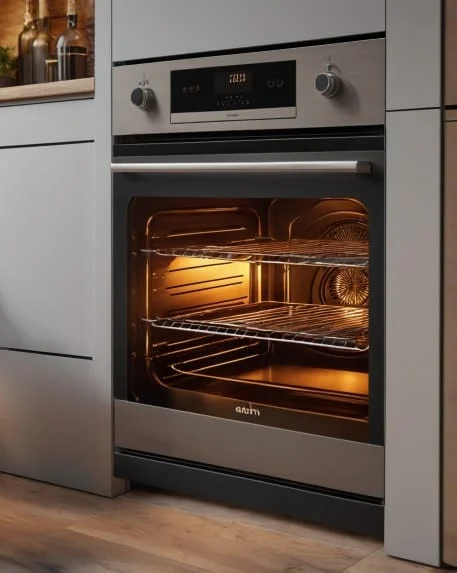
Review the agreed parts at completion and ask about any permanent mark, worn finish or component left in place. That explanation is especially useful when you do not know the appliance history. A cleaner cavity can make existing condition easier to see, but it does not make every visible imperfection newly caused or removable.
Ask for the instructions for first use after refitting and keep them with the model information. Follow the manufacturer guidance for routine care, particularly where specialist surfaces are involved. Do not immediately start an unfamiliar self-cleaning programme because the appliance now looks ready for use.
Confirm the full quote and exclusions before booking rather than relying on an invented Streatham tariff. The aim of a first visit is an appropriate, understood clean with realistic boundaries. It should leave you clearer about the appliance and its care, while keeping repairs, technical checks and broader kitchen work as separate questions where needed.
Questions before booking
Streatham oven care: the details worth checking.
Can I enquire without knowing the oven model?
Start with photographs of accessible controls, the cold cavity and any label you can safely reach. Say which information is missing. Do not move the installed appliance to investigate; the team can discuss what further details are useful before agreeing the work.
Should I use the self-cleaning button before booking?
Do not operate an unfamiliar programme merely to prepare for cleaning. Find the guidance for the model and explain what you know about its features. Different systems and accessories can have different requirements.
What if I find a loose part in the kitchen drawer?
Keep it available and explain where it was found. Do not fit an unfamiliar component by guesswork or assume it belongs to the oven. The cleaning scope should be based on the appliance and parts that can be identified appropriately.
Does a first clean include a safety inspection?
Do not treat cleaning as a comprehensive technical assessment. Explain suspected faults before booking and ask about the relevant separate service. Removing deposits and explaining refitted accessories does not establish that every gas or electrical component has been tested.
Can the property manager book on my behalf?
Discuss the arrangement, including access, approval of work and a contact for questions. Share the available appliance information with the person making the enquiry. A manager’s general knowledge of the property may not include the current condition of its oven.
Planning a visit at another address?
Explore the surrounding area guides.
For another household, read the guides for Tooting, Brixton, Balham. Find the full collection in Areas We Cover. These guides help you prepare an enquiry; availability is confirmed for the full postcode.
Professional Oven Care / Streatham
Ready to discuss your oven?
Call with the model, condition and access details. Confirm the work and complete quote before arranging your appointment.