
Professional Oven Care / Brixton
Oven Cleaning Brixton
Take the layered spills out of the cooking routine.
A regularly used oven can carry several generations of splashes: a sticky sauce on the floor, fat around the supports and a film on the glass. Describe those layers when asking about oven cleaning for a Brixton address. Professional Oven Care can discuss the appliance, suitable treatment and access before agreeing a quotation. Availability is confirmed using the full postcode. This guide focuses on preparation and realistic results, rather than assuming that a busy kitchen needs one universal method.
Different deposits described clearly
Previous product use discussed
Cooking time planned around the visit
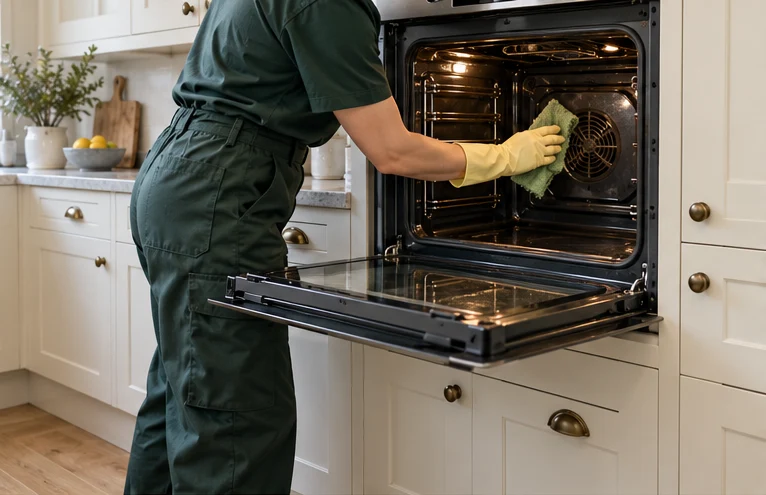
Identify the layers before tackling them
The last spill may not be the whole problem.
Look at the oven only when cold and note where fresh splashes sit over older deposits. A sauce spill near the floor can be different from grease around the upper supports. Give the team that practical description rather than guessing the chemistry or repeatedly applying a stronger product to every mark.
Explain how the appliance is configured and which parts are used. A single cavity, separate grill and double oven can collect build-up in different places. If a tray has been used to catch spills, identify whether it belongs to the cooker and whether you want it considered in the cleaning scope.
Our oven cleaning London information provides the overall approach. A Brixton enquiry should add the actual postcode, model and access details. The public London service area supports an enquiry, but a particular appointment and any address-specific requirements must still be confirmed.
Give each surface its own assessment
Avoid turning a deposit problem into a finish problem.
Suitable removable racks and trays may be cleaned separately, including dip-tank treatment where appropriate. The oven cavity and accessible glass require an approach matched to their materials. Tell the team about specialist liners, coated accessories and any area that has already been scratched or worn by previous cleaning attempts.
If the glass looks cloudy, explain whether the film is on an accessible face or appears trapped between panes. Door construction and the condition of fittings determine what can be detached. A loose handle, chipped pane or worn seal needs attention in the conversation before dismantling is considered.
Do not add another cleaner immediately before the visit. Tell the technician which products were used and whether residue may remain. Several treatments applied in succession can make the starting condition unclear. Keeping the packaging information available is more useful than attempting one final scrub to make the oven look easier to clean.
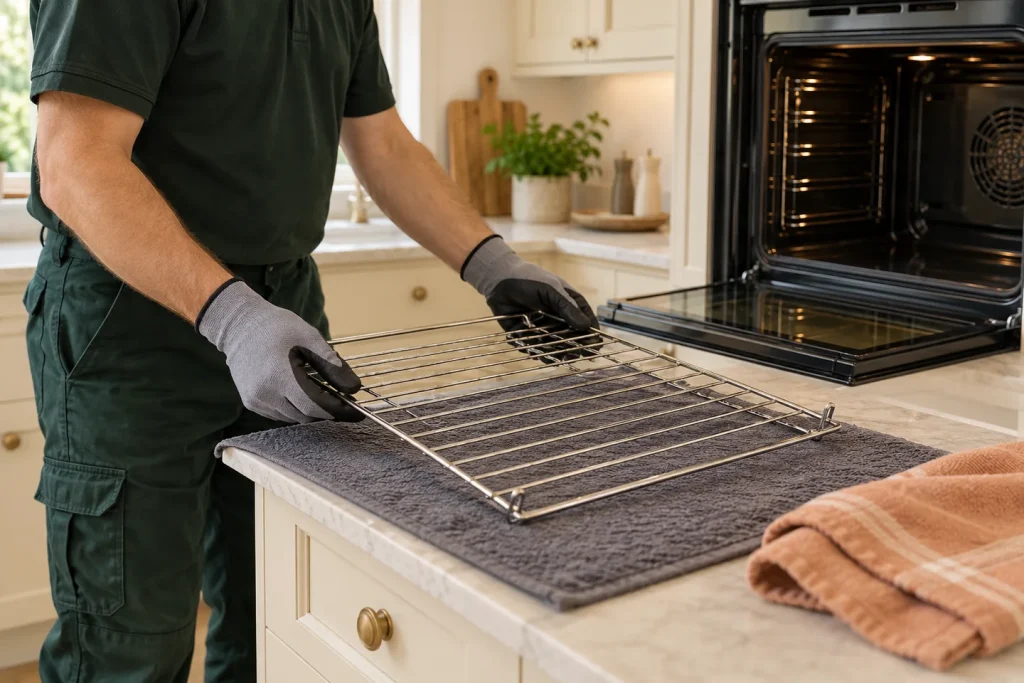
Keep the cooker and room tasks distinct
Choose the scope around the source of the mess.
If splashes extend to the hob or extractor, identify those as additional appliances in the enquiry. Explain the hob surface and the filter access rather than assuming they use the same cleaning method as the oven. Ask for each agreed component to appear in the complete quotation.
For cupboards, worktops and other room surfaces, explore deep kitchen cleaning. The room service includes basic oven care rather than the same component work as a specialist valet. A broader room service may be useful, but it should be chosen for its own tasks rather than treated as another name for an oven deep clean.
Where joints behind the cooker remain discoloured, consider tile and grout cleaning as a separate discussion. Describe the tile finish and joint condition. The table below keeps the common targets separate so that a grease problem across several surfaces does not become an undefined promise to clean everything nearby.
| Where the build-up sits | Work to discuss | Useful detail |
|---|---|---|
| Cavity floor | Suitable treatment of baked spills | Recent sauce over older residue |
| Shelf supports | Appropriate removable-part care | Plain or moving runners |
| Door glass | Accessible faces and model-dependent panels | Film location and fitting condition |
| Hob and splashback | Separate appliance or surface scope | Material and access |
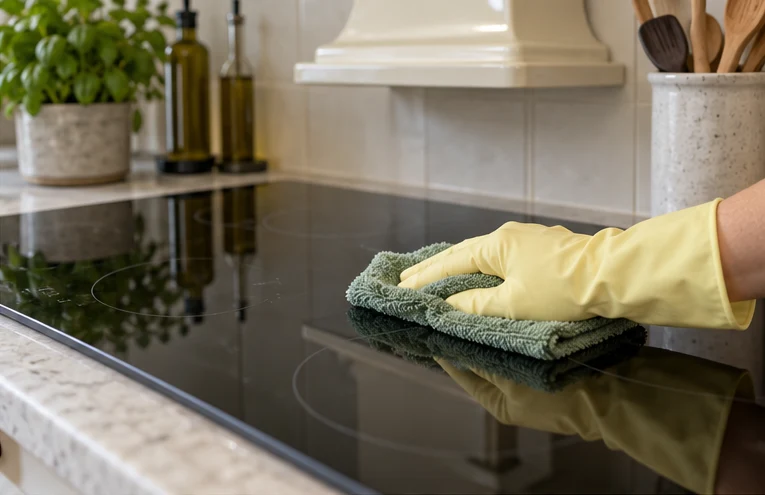
Let the kitchen pause properly
Preparation starts with the last cooking session.
Allow the appliance, grill and accessories to cool completely. Remove food and loose items stored in the cavity, and avoid a last-minute meal while waiting for the technician. A plan that accounts only for the main oven may fail if another compartment has just been used.
Clear the route and a practical work area close to the appliance. Keep suitable accessories available without removing door glass or fixed supports yourself. If the door cannot open fully or a worktop is crowded with essential equipment, describe that restriction during the enquiry so the handling arrangement can be discussed.
Confirm water, electricity and the access contact as part of booking. If several people use the kitchen, make sure they know the preparation instructions. Keep another way to organise meals if the visit overlaps your normal cooking time, rather than setting an immovable deadline based on an assumed duration.
Brixton arrival planning
Use the right permission for a working visit.
Consult Lambeth’s trader parking voucher guidance when relevant. Check the address, applicable rules and signs; do not assume an ordinary visitor arrangement covers every working visit.
Tell the team about an intercom, shared entrance, stairs or a controlled service area. Give the correct bell or entrance rather than relying on a postcode alone. Where someone else will grant entry, ensure they know the appliance scope and have an authorising contact available for questions.
Confirm the appointment before arranging time-specific access or parking. If a managing agent requires notice, include that in the first discussion. Access preparation can prevent confusion at the door, but it does not establish a local office, dedicated neighbourhood team or guaranteed arrival time.
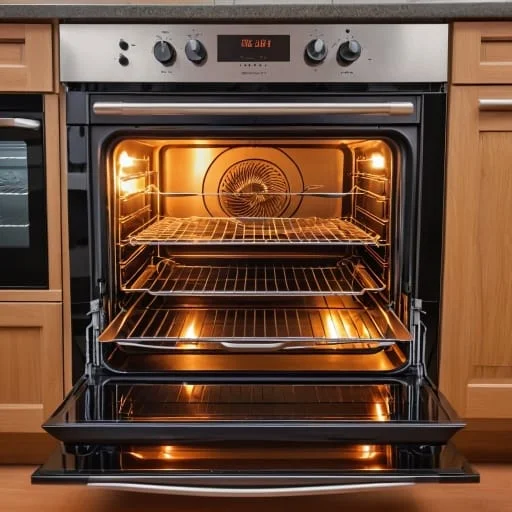
After the deposits are addressed
Keep cleaning expectations separate from performance claims.
At handover, review the agreed glass, cavity and removable parts. Ask about remaining marks and whether they are stains, wear or areas that could not appropriately receive more treatment. A dark patch is not automatically evidence of missed food, and aggressive repetition is not always a sensible next step.
Follow the instructions for return to use after refitting, including any model-specific warm-up. If the oven previously tripped, heated poorly or displayed a fault, explain that separately rather than expecting residue removal to correct it. A cleaning visit should have a clear boundary between the work done and an unassessed mechanical issue.
Ask for the complete quote, extras and exclusions before booking. No Brixton-specific tariff is invented on this page. A useful appointment combines an understood appliance scope, an accessible cool kitchen and an explained result, leaving you able to plan ordinary care without another round of guesswork about the surfaces.
Questions before booking
Brixton oven care: the details worth checking.
Should I clean a fresh sauce spill before booking?
Follow the manufacturer care guidance for ordinary maintenance and avoid handling a hot oven. If booking professional work, explain the fresh spill and any treatment already used. Do not add several products in an attempt to remove every layer before the inspection.
Can all sticky deposits use the same method?
The surface, material and condition matter alongside the residue. A specialist liner or coated accessory may need a different approach from ordinary enamel. Describe the affected parts so the technician can assess suitable treatment rather than apply one method indiscriminately.
Is a smoky oven definitely just dirty?
Do not assume that a symptom has only one cause. Explain unusual operation before booking and follow the appliance instructions if a fault is suspected. A cleaning discussion does not replace assessment of an electrical, gas or mechanical problem.
Can I combine the cooker and splashback cleaning?
Ask about both before agreeing the visit and identify the surfaces. The scope and quotation should distinguish oven work, hob work and any room or tile service. Additional tasks are not automatically included because the same cooking session caused the deposits.
What if my normal lunch time overlaps the appointment?
Plan around a fully cool appliance and leave a practical buffer afterwards. Confirm timing expectations with the team, but do not assume every oven is ready for cooking at an identical point. Follow the handover advice for the model before using it.
Planning a visit at another address?
Explore the surrounding area guides.
For another household, read the guides for Clapham, Streatham, Dulwich. Find the full collection in Areas We Cover. These guides help you prepare an enquiry; availability is confirmed for the full postcode.
Professional Oven Care / Brixton
Ready to discuss your oven?
Call with the model, condition and access details. Confirm the work and complete quote before arranging your appointment.