
Professional Oven Care / Dulwich
Oven Cleaning Dulwich
Care for a familiar oven without chasing a new finish.
An oven that has served your household for years may need a thoughtful clean rather than an aggressive attempt to make every surface look new. The useful questions concern materials, existing wear and which fittings can safely be handled. This Dulwich guide helps you prepare that discussion and plan the appointment around your kitchen. Professional Oven Care’s public coverage is London-wide; confirm your precise postcode and availability before treating an enquiry as an agreed visit.
Discuss existing wear
Respect specialist liners
Agree what can be removed
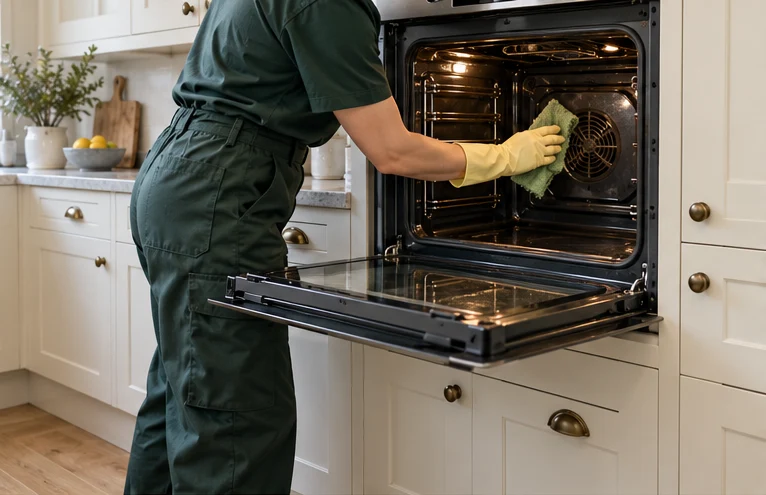
Begin with the appliance’s history
Tell the story that the model number cannot.
A model identifies a design, but it does not explain a loose runner, an old chip in the enamel or a seal previously replaced. Mention those details during the enquiry. They help the team understand the cooker in front of them rather than making assumptions from the original specification or the appearance of its door.
Think about what bothers you most: a greasy rack, blocked visibility through the glass or deposits around the base. Describe those priorities in plain language. You do not need to know the chemical composition of the residue or to prove that a particular cleaner will work before asking for a professional assessment.
See our London oven cleaning guide for the wider service. For a Dulwich address, combine the appliance history with the full postcode and practical access details. No house style or age of appliance is assumed from the area name; what matters is the particular cooker, its condition and the work you want discussed.
Choose a method around the material
Some surfaces need restraint, not more scrubbing.
Textured catalytic panels, smooth enamel and door glass serve different purposes and may have different care instructions. Keep the manual available if you have it, especially where it limits product use. Do not mask an uncertain finish with a fresh coating of cleaner before the appointment; tell the team exactly what is already there.
Suitable removable racks and trays can receive separate cleaning, including the published specialist dip-tank process where appropriate. A coated tray, telescopic runner or delicate support is not automatically treated like a plain metal shelf. Let the technician decide what can be detached and handled safely after inspecting the fittings.
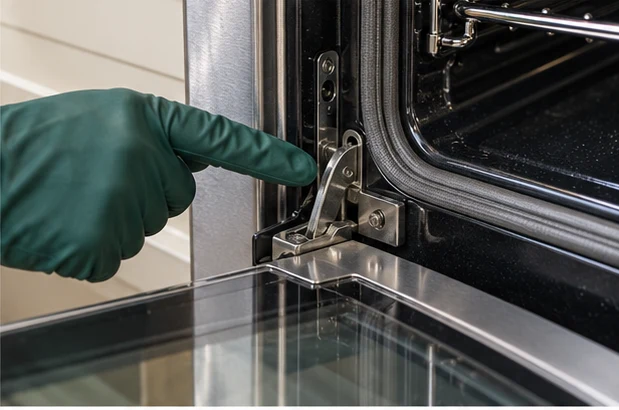
Accessible glass cleaning also depends on construction and condition. Old trim and strained screws may limit dismantling even when a newer example of the same style can be opened easily. Explain any previous door work, missing fittings or cracked edges. Taking a cautious approach protects the appliance from unnecessary strain while defining realistic cleaning boundaries.
Keep the quote specific
Choose the cavities and accessories you actually need.
List the oven compartments individually, including a separate grill if it needs attention. A rarely used cavity may still have older residue, while the everyday oven may have fresh spills. That information makes a more useful enquiry than simply calling the cooker large, small or in reasonable condition.
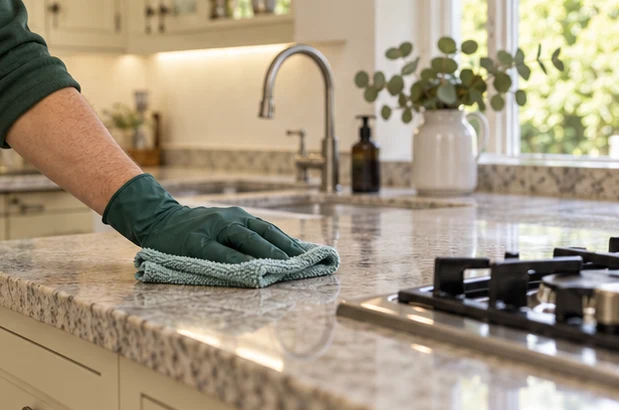
Ask about a hob or extractor if you want them considered in the same visit. Identify the hob surface and any removable grease filters, and explain awkward access. A promise to clean every part regardless of material would not be useful; the scope should be based on the actual appliance and safe working conditions.
Where the work extends to the room itself, read about deep kitchen cleaning. If worn floor joints or cooking-area tile residue are another priority, the tile and grout service explains a separate task. Discuss how these priorities fit together rather than expecting specialist oven work to include unrelated surfaces.
| Appliance or component | Scope to agree | Useful information |
|---|---|---|
| Enamel cavity | Appropriate removal of cooking deposits | Existing chips and textured liners |
| Removable shelving | Separate treatment if material permits | Coatings and runner condition |
| Door glass | Accessible panes and safe fitting access | Previous repairs or brittle trim |
| Hob additions | Specific surface work by agreement | Material and sensitive components |
Prepare gently
Keep the fittings in place for inspection.
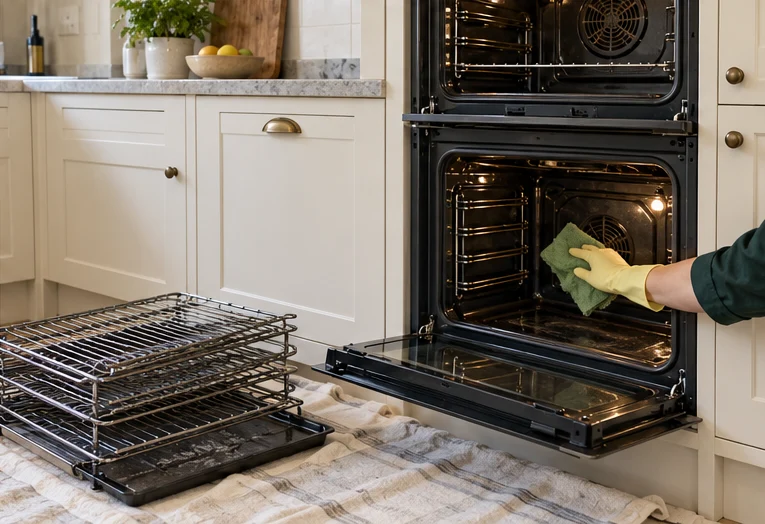
Leave racks, door panels and technical fittings in their usual positions unless specifically advised otherwise. You can remove food and personal cookware once the oven is fully cool. Keep any part that is already loose safely aside and tell the team where it came from; do not try to force it back just to improve appearances.
Clear enough nearby space for appropriate components to be handled, and protect access by moving loose personal belongings away. Explain if the oven is built high in a unit or if its door cannot open freely. These details can affect the work even when the kitchen itself is spacious and the route from the entrance seems straightforward.
Confirm access to hot water and power and make sure someone can answer questions about the appliance. If a family member remembers a previous repair, ask them for the relevant information beforehand. A short note about the cooker’s history is easier to use than trying to contact several people while the technician waits.
Use the right local information
Dulwich planning starts at your own front door.
For a Southwark address, the council parking permit guide includes visitor permit information for controlled zones. Check which authority and scheme apply to your actual address rather than selecting rules by the Dulwich name alone. Read the relevant conditions and the signs where parking is proposed.
Tell the team whether equipment must pass through a shared hall, a side entrance or several levels inside the property. These are individual access questions, not claims about typical local homes. If a route crosses a recently finished floor or a narrow corridor, raise that in advance so the practical arrangement can be discussed.
If you are arranging parking or asking someone else to provide entry, confirm both after the appointment is agreed. Give a contact number for the person on site and clarify any gate or doorbell instructions. The London-wide service description still requires a postcode check and an appointment that works for the property’s access arrangements.
Measure the result honestly
Remove deposits without promising restoration.
A clean may reveal a scratch that grease previously concealed, or leave an old enamel chip more visible against a cleaner surface. Discuss known marks before work begins and ask about persistent ones at handover. Removing dirt and repairing damaged material are different tasks, even when both affect the cooker’s appearance.
If a door is unstable, controls fail or the appliance heats unpredictably, describe the symptoms before agreeing the clean. Qualified assessment may be needed rather than another product or stronger scraping. Do not continue using a suspect oven merely to test whether a stain or component is connected with the fault.
Ask for appropriate ongoing care based on the manual and the surfaces actually present. A practical routine of dealing with suitable cooled spills may be more helpful than frequent harsh treatments. Confirm all chosen work, exclusions and the total quoted amount in advance, then allow time for the model-specific instructions before cooking again.
Questions before booking
Dulwich oven care: the details worth checking.
Does an ageing oven have to look new after cleaning?
Age alone does not define the cleaning scope. Explain its condition and operation so realistic results can be discussed. A useful clean can address suitable deposits while leaving existing wear visible; it is not a claim to restore the appliance to new condition.
What if I no longer have the manual?
Give the make, model and any information you do know without dismantling the cooker to investigate. Mention unusual liners or past repairs. The team can discuss what further details are needed before deciding on the appropriate work.
Will a chipped patch of enamel disappear?
Cleaning does not replace missing enamel. Point out the chip before work begins and ask which surrounding deposits can be treated appropriately. Repeatedly applying stronger products to damaged material is not a substitute for an honest assessment.
Should I remove a stiff shelf support myself?
Leave it for inspection and explain the stiffness. Forcing fittings can create a different problem from the original residue. Preparation should focus on a cool oven, clear surroundings and useful information about the appliance.
Can I ask for care advice rather than a fixed schedule?
Yes. Explain how the oven is used and ask what suitable upkeep fits its finish. A universal timetable says little about different cooking habits, liners or existing wear, so model-specific advice is more useful.
Planning a visit at another address?
Explore the surrounding area guides.
For another household, read the guides for Peckham, Brixton, Croydon. Find the full collection in Areas We Cover. These guides help you prepare an enquiry; availability is confirmed for the full postcode.
Professional Oven Care / Dulwich
Ready to discuss your oven?
Call with the model, condition and access details. Confirm the work and complete quote before arranging your appointment.