
Professional Oven Care / Canary Wharf
Oven Cleaning Canary Wharf
Coordinate the appliance, the entrance and the handover.
An integrated oven should be described as carefully as the route to the kitchen. Cabinet position, door access and specialist fittings all matter, while building entry may require a separate arrangement if it applies to your home. This Canary Wharf guide helps you gather those details without assuming one property layout across the area. Professional Oven Care publishes London-wide coverage; confirm the full postcode, appointment availability and complete scope before reserving any time-dependent access arrangements.
Describe built-in access
Coordinate any building rules
Leave time for the handover
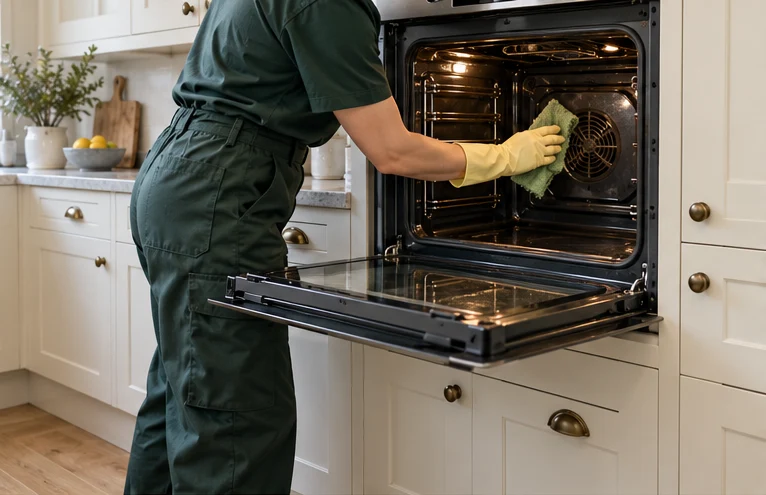
Identify the cooker in its setting
Built-in does not tell the whole story.
Note whether the oven sits at eye level, beneath a worktop or alongside another cooking appliance. Count actual oven cavities rather than doors in a bank of kitchen units. A compact companion appliance may have a different purpose, so give the model details and explain what you want included instead of assuming a matching finish means identical treatment.
Check whether the door can open fully and whether shelves slide out normally. Tell the team about nearby fixed obstacles or loose fittings without moving the appliance. The cabinet installation is relevant to access, but a cleaning enquiry should not involve unscrewing the oven or pulling it forward to obtain a better photograph.
Our London oven cleaning page describes the general specialist work. For a Canary Wharf address, add the full postcode and practical entry information to the appliance details. These are individual checks for your home; they are not a claim that every nearby property has a concierge, loading bay or the same built-in cooker.
Keep specialist parts in the discussion
Removable does not always mean washable in the same way.
Suitable metal racks, trays and supports can receive separate attention, including dip-tank treatment where appropriate within the published process. Telescopic mechanisms and coated accessories may need different care. Identify unusual components during the enquiry, and leave them in position for assessment rather than dismantling them to save time before arrival.
The cavity method should respect the actual finish, including any specialist liners or self-cleaning system. Keep the appliance manual available if you have it and explain products already used. Adding a fresh cleaner immediately before the visit can obscure useful information about the condition instead of making the work more straightforward.
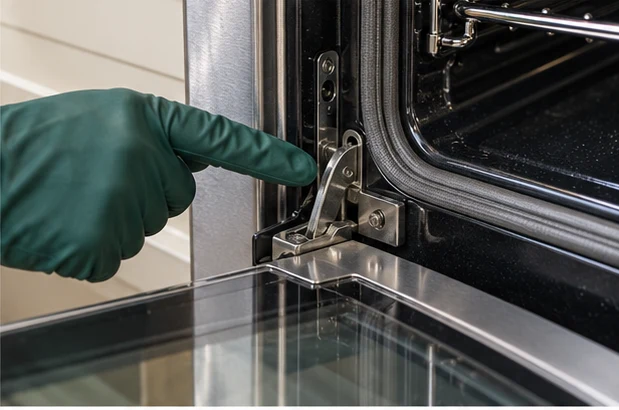
Accessible door glass can be considered along with suitable panel removal where the design and fittings allow it safely. Mention grease between panes, damaged trim or unusual movement first. A careful clean addresses deposits within the appropriate scope; it does not promise to restore scratched glass, mend hinges or reach sealed spaces irrespective of construction.
Create a precise scope
Matching appliances still need separate decisions.
A second oven or grill should be named independently, including its accessories and condition. Explain whether it is heavily used or has old residue despite infrequent cooking. A broad description of integrated appliances can otherwise leave the team unable to distinguish the main cavity from additional work that needs its own time and treatment.
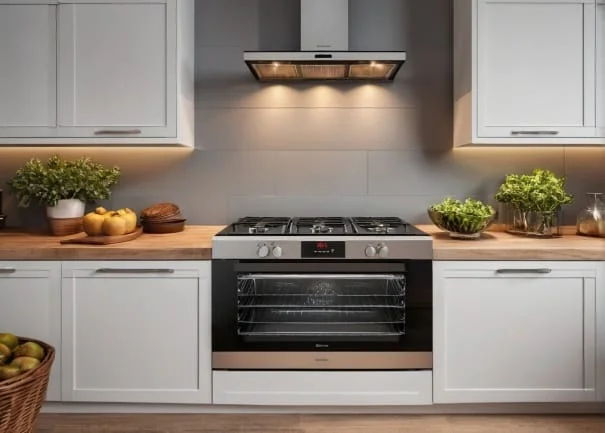
For a hob, identify the surface and any removable components you want considered. For an extractor, describe accessible grease filters and working height. Ask which additions are suitable and what is excluded; a decorative hood, washable filter and replacement carbon filter should not all be treated as one assumed cleaning task.
If the whole room needs attention, compare deep kitchen cleaning with the specialist oven service. If the integrated oven fails to heat or has damaged controls, read about oven repair. Removing grease and diagnosing an appliance fault are different purposes even when access to the same unit is involved.
| Appliance or component | Scope to agree | Useful information |
|---|---|---|
| Built-in main oven | Cavity and suitable removable fittings | Installation height and opening space |
| Companion oven or grill | Separate agreed compartment | Actual function and accessories |
| Hob and extractor | Optional defined appliance additions | Surface, filter and access height |
| Property entry | Preparation for a workable visit | Contact, permission and any timed access |
Prepare the room and the route
Keep technical dismantling out of household preparation.
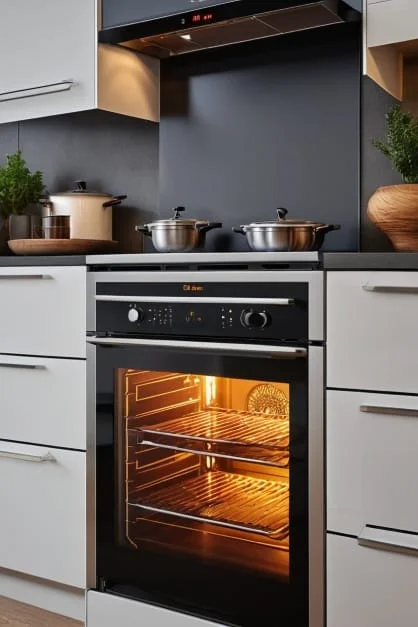
Allow all relevant compartments to cool fully, remove food and personal cookware and clear the work area. Leave enough room for the door to open and components to be handled appropriately. Move loose belongings safely, but do not detach panels, disconnect services or pull an integrated cooker out of its housing to create extra access.
Confirm the available hot water and electricity and explain any restriction on the route to the kitchen. If several doors or a lift are involved, identify who will provide access throughout the visit. An entry arrangement that works only once at arrival may not answer every practical question about bringing equipment to the property.
Choose someone who can discuss the scope and receive instructions at the end. If that is a key holder rather than the person booking, give them the agreed list and a way to contact the decision-maker. Allow time for the handover instead of treating an assumed finishing minute as the start of the household’s next meal.
Check public and private arrangements
Canary Wharf access needs the appropriate permission.
Tower Hamlets Council explains the eligibility and activation of visitor parking vouchers. Check the current conditions if that scheme applies to your address. Do not assume that a resident street-parking arrangement grants access to a privately managed bay, loading area or service entrance.
Where your building requires a tradesperson booking, vehicle registration or a timed slot, ask the property contact about the actual rules and tell the team before agreeing a visit. Coordinate what can realistically be accommodated. These arrangements depend on the property and should not be invented from a general impression of the neighbourhood.
Give the entrance details, flat number and contact information together with the postcode. Confirm a proposed appointment before activating time-specific parking or reserving a narrow access window. The public London-wide service description supports an enquiry, while the booking still depends on address confirmation, workable access and the agreed appliance scope.
Make the final questions count
A clear handover is part of a useful appointment.
Review the work against the named compartments and additions. Ask about marks that remain and whether they reflect wear, damage or a limit on safe access. A cleaner surface can make an old scratch more visible, so documenting and discussing the existing condition is more informative than expecting every finish to resemble a new showroom appliance.
Ask for the model-appropriate guidance before cooking again, especially after suitable components have been removed and refitted. Pass it to whoever next uses the oven if they were absent. If an operational fault remains a concern, arrange a suitable fault assessment; the appearance of the cavity cannot establish that the appliance operates correctly.
Agree the full quotation, exclusions and process for changes before the booking is finalised. Keep any access-related conditions with the service confirmation so neither the key holder nor the person meeting the technician has to reconstruct them later. Suitable routine care should then follow the appliance manual and the surfaces actually present, rather than a generic rule for integrated ovens.
Questions before booking
Canary Wharf oven care: the details worth checking.
Should I book a building access slot first?
Check the building’s requirements, then discuss whether the team can accommodate them before reserving a time-dependent slot. An unconfirmed oven appointment should not be treated as a guaranteed arrival or completion time for a restricted access window.
Can the oven be cleaned while it remains built in?
Describe the installation and requested work when enquiring. Do not remove mounting screws or pull the unit forward as preparation. The team needs to assess the appropriate scope and any access limit for your particular appliance.
Does a matching compact appliance count as another oven?
Confirm its actual function from the model information and list it separately. Matching front panels do not establish identical cleaning requirements. Tell the team what you want considered so the quote reflects the real appliance configuration.
Can a key holder receive the final instructions?
Agree that arrangement and make sure the instructions reach the person using the oven. The key holder should know the scope and how to contact whoever can approve changes, rather than being left to make an uninformed decision.
Will a council voucher cover a private parking area?
Do not assume it will. Street-parking schemes and private building permissions can be separate. Check the relevant conditions and communicate a workable arrangement for the actual address before the appointment is confirmed.
Planning a visit at another address?
Explore the surrounding area guides.
For another household, read the guides for Greenwich, Stratford, Shoreditch. Find the full collection in Areas We Cover. These guides help you prepare an enquiry; availability is confirmed for the full postcode.
Professional Oven Care / Canary Wharf
Ready to discuss your oven?
Call with the model, condition and access details. Confirm the work and complete quote before arranging your appointment.