
Professional Oven Care / Greenwich
Oven Cleaning Greenwich
See what clean glass can reveal.
Cloudy oven glass can make a familiar cooker frustrating to use, but not every mark sits on the same surface. This Greenwich guide focuses on door construction, accessible panels and the difference between residue and damage. It also covers the rest of the appliance, preparation and appointment access. Give Professional Oven Care your full postcode to confirm availability within its advertised London coverage and discuss the complete work before a date is agreed.
Locate visible glass residue
Discuss safe panel access
Keep cleaning and repair distinct
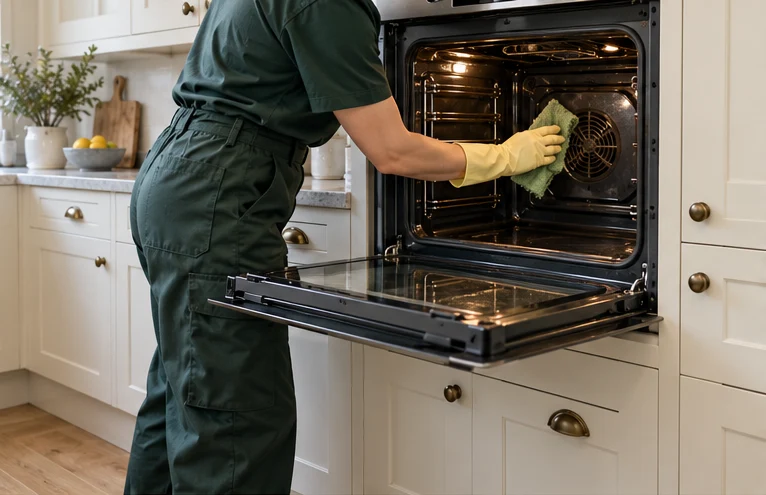
Look at the door in a different light
Identify the surface without taking it apart.
On a cool oven, compare what you can see from inside and outside the door. A streak on the outer face differs from a deposit between panes. Describe the location rather than trying to remove screws to investigate. That distinction helps the team understand your main concern before discussing what the door design allows.
Keep the model details available, particularly if the manual explains removable glass or a specific door-cleaning sequence. Instructions for a similar-looking cooker may not apply to yours. Mention any loose trim, damaged glass or unusual movement so the appointment can be considered with those limitations already in view.
Our wider oven cleaning service includes more than the view through the door. Let the team know about the cavity, shelves and grill as well, even when cloudy glass prompted your enquiry. A clear list makes it easier to agree an appropriate Greenwich booking and avoid an incomplete description of the cooker.
Accessible does not mean automatic
Door cleaning starts with the fittings.
Suitable door panels may be detached for separate attention, but safe dismantling depends on the appliance and its condition. Corroded screws, strained hinges or brittle trim can change what is sensible. Do not expect the technician to force a fitting simply because another oven has removable glass or a video shows a similar procedure.
Glass and surrounding materials need appropriate products and tools. Abrasive treatment can leave lasting marks even if it removes grease. Say what you have already tried and whether a previous clean changed the appearance. That information is more useful than applying another product just before arrival in the hope of making the job easier.
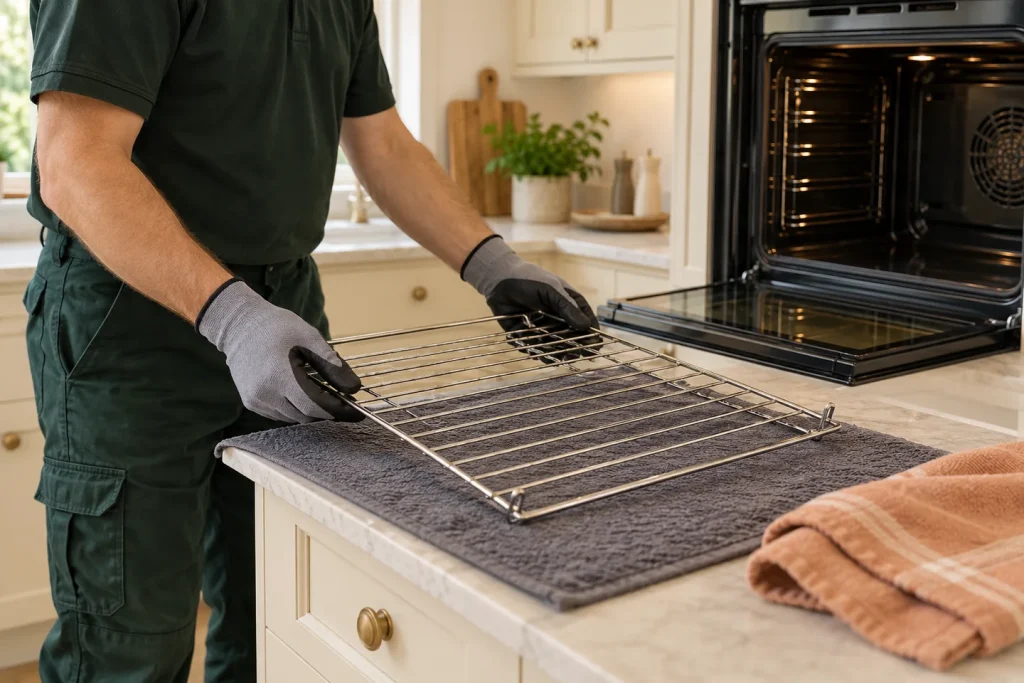
Elsewhere in the oven, appropriate removable racks and trays can be treated separately, with dip-tank work used for suitable components within the specialist process. The cavity, liners and seals require their own assessment. Glass clarity should be one part of a complete agreed clean, rather than a reason to overlook the rest of the appliance.
Describe the rest of the cooking area
Choose additions around a clear main task.
A double oven adds another door and another cooking compartment, often with a different pattern of residue. Say whether the smaller cavity is a grill, oven or combination. Include its tray in the discussion, rather than assuming the large lower door represents all the work required on the appliance.
If greasy extractor filters are also on your list, explain their type and how they are accessed. A washable grease filter differs from a carbon filter intended for replacement. Ask which parts are suitable for cleaning. Hob surfaces and burner components also need to be named explicitly if you want an inclusive appliance quote.
For cupboards, worktops and a broader room clean, see deep kitchen cleaning. If damaged hinges or failed heating are the concern, read about oven repair. Choosing the appropriate service helps separate dirt that can be removed from a component that needs diagnosis or replacement.
| Appliance or component | Scope to agree | Useful information |
|---|---|---|
| Outer door face | Suitable surface cleaning | Finish, streaking and previous products |
| Inner glass | Accessible deposits and safe panel work | Model and condition of fittings |
| Oven shelves | Separate treatment where suitable | Coatings, runners and tray condition |
| Second compartment | Additional cavity included if agreed | Grill use and separate accessories |
Protect the working space
Cool glass and a clear opening make a better start.
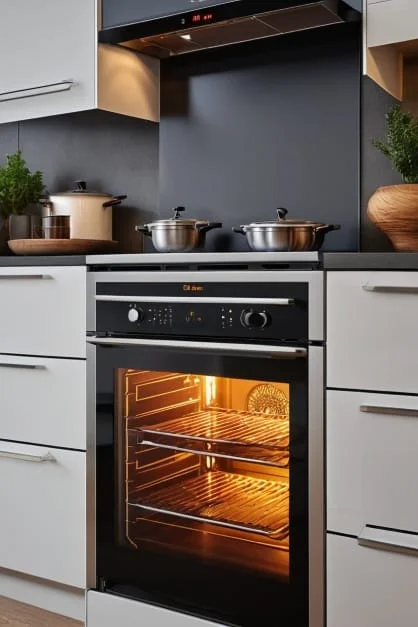
Avoid using the oven immediately before the visit and allow the door and compartments to cool fully. Clear the floor where the door opens and remove loose objects from nearby worktops. A clear route matters for handling detached parts, especially when the kitchen is used as a passage to another room.
Leave panels and screws in their normal positions. If something is already detached, tell the team in advance and keep the pieces safely together. Reassembly of an appliance someone else has dismantled is not an assumption to build into a standard cleaning booking, particularly where fittings are missing or damage is suspected.
Explain the available water and power supply, and arrange for the person providing access to know the agreed priorities. If glass marks are the main issue, show them before work begins. Ask for the final guidance on refitting and returning the oven to use rather than setting a meal time around an assumed finish.
Read the rules for the actual bay
Greenwich access needs a location, not a landmark.
The council publishes separate parking-zone information, including its Greenwich Town Centre zone guide. That page is useful if it applies to your address; it should not be used as the rule for every Greenwich home. Check the correct zone, local signs and visitor arrangements before the appointment.
Provide the street address and postcode even if a nearby landmark seems easier to recognise. The team also needs to know about shared entry, stairs, lifts or a managed loading area where these affect your property. Describe the route that will actually be used, including who can release any locked entrance.
If the building has its own parking arrangements, ask the managing contact whether visiting tradespeople need advance approval. A council permit may not answer a private-site access question. Confirm the vehicle information and appointment before booking a timed slot, and tell the team about any limit that might affect carrying equipment to the kitchen.

Judge the improvement fairly
Clearer glass cannot reverse wear.
Scratches, etching and chips may become easier to see after grease is removed. Discuss existing damage before the clean and ask which marks are likely to remain. A realistic explanation of the result is more valuable than a promise that every pane will look new regardless of age, finish or past treatment.
Check that the agreed components have been addressed and ask any remaining questions while the technician is present. Instructions for using the appliance afterwards should follow the particular model and work completed. Do not assume a universal warm-up period, or treat a brief visual improvement as proof that an unrelated fault has been repaired.
For routine care, follow the manual on suitable wiping and products, and avoid aggressive scraping around the door edges. When requesting a future clean, mention any change in fittings or operation as well as the visible dirt. Your final quote should identify all chosen compartments and extras, with the booking conditions made clear before you decide.
Questions before booking
Greenwich oven care: the details worth checking.
Can every oven door be split for cleaning?
No. Construction, fitting condition and manufacturer instructions govern safe access. Mention trapped residue when enquiring so the team can discuss the likely limits, and leave dismantling to the person assessing the appliance.
Why can I still see a mark after wiping the front?
It may be on another surface or it may be damage rather than loose dirt. Describe where it appears, without taking the door apart to prove the location. Inspection is needed before promising a particular treatment.
Is cloudy glass a reason to replace the oven?
A cleaning enquiry can establish what residue may be addressed, but it cannot decide every repair or replacement question. Discuss damaged glass, unsafe fittings and operating faults separately from a cosmetic concern.
Can I request only the door as the priority?
Explain that priority and ask what scope is available. Still describe the oven’s overall condition and any known faults, so a focused enquiry does not omit information relevant to safe handling or the quotation.
Do council parking hours cover a private building bay?
Not necessarily. Check the building’s own visitor arrangements as well as the street restrictions. Give the booking team the practical entry and parking information rather than assuming one permit deals with both.
Planning a visit at another address?
Explore the surrounding area guides.
For another household, read the guides for Lewisham, Canary Wharf, Bromley. Find the full collection in Areas We Cover. These guides help you prepare an enquiry; availability is confirmed for the full postcode.
Professional Oven Care / Greenwich
Ready to discuss your oven?
Call with the model, condition and access details. Confirm the work and complete quote before arranging your appointment.