
Professional Oven Care / Kensington
Oven Cleaning Kensington
Know your oven lining before the clean begins.
A self-cleaning programme does not make every part of an oven maintenance-free. Door glass, shelves and specialist liners may each have different instructions, and the model matters more than a label on the control panel. For oven cleaning in Kensington, bring those details into the first conversation. Professional Oven Care can discuss an appropriate scope, the full quote and access to your kitchen, with appointment availability confirmed for the specific postcode rather than assumed from the area name.
Liner type discussed upfront
Removable accessories identified
Cleaning separated from faults
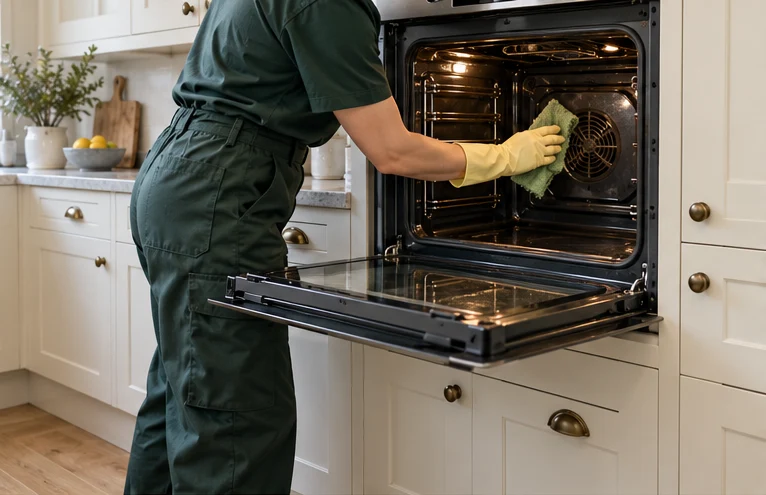
Start with the manual
Self-cleaning is a feature, not a complete description.
If the oven has a pyrolytic, catalytic or steam-assisted function, tell the team which one it is. These terms describe different designs and should not be treated as interchangeable permission to use any chemical or tool. If you are unsure, a model number or photograph of the manual is a better starting point than a guess.
Look at the shelves and supports as well as the cavity. Accessories may have their own care instructions and may not be suitable for remaining inside during a programme. This guide does not replace the manual: use it to prepare questions about the actual appliance, rather than to choose an unfamiliar high-temperature cycle immediately before an appointment.
The main oven cleaning London page explains the general service. A Kensington enquiry should identify the model, its condition and the parts you want addressed. London coverage is stated publicly, but the full address, access and available appointment need to be confirmed individually.
Respect the surface differences
Treat the removable parts and liners separately.
A specialist liner can sit beside ordinary enamel in the same compartment. The accessible door glass and metal supports may therefore need different methods from the side walls. Explain any visible flaking, cracked panel or damaged coating before cleaning starts so that existing condition is recognised rather than mistaken for a deposit.
Suitable detachable racks and trays can be cleaned away from the cavity, with dip-tank treatment used where appropriate to the component. That does not mean every coated tray or runner belongs in a tank. Give the technician a clear view of the accessories and retain any manufacturer information you have about their finish.
Avoid scraping a liner to test whether a mark will come off. If a part appears saturated with residue or no longer behaves as expected, describe the symptom without attempting to diagnose it yourself. Cleaning, maintenance and replacement are different possibilities; the inspection should establish the appropriate limits of the cleaning work.
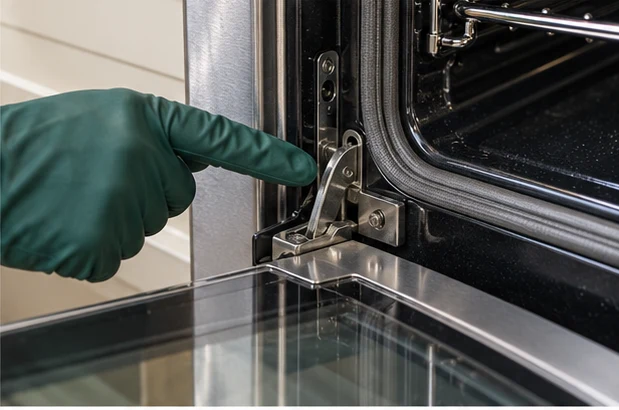
Make a precise appliance list
The programme is only part of the booking.
Describe a combination appliance as such. An oven with microwave, steam or other functions may have additional surfaces and instructions beyond those of a conventional cavity. Do not assume a compact unit involves less consideration merely because it is smaller. Ask whether the model can be included and which parts the quote covers.
For a separate cold appliance, see fridge cleaning and plan food storage before agreeing a combined visit. An oven appointment does not automatically include refrigerator shelves, drawers or door seals. Listing the appliances in advance makes it possible to discuss the actual work and preparation without rushing through additional requests at arrival.
If an error code appears or a programme stops unexpectedly, mention it first and consult the separate oven repair information. Removing food deposits is not a substitute for diagnosing a failed programme. The table highlights the information worth gathering before a cleaning quotation is agreed.
| Oven feature | Information to provide | Cleaning question |
|---|---|---|
| Pyrolytic function | Model and programme history | Which accessories need separate care? |
| Catalytic lining | Location and visible condition | Which surfaces must be treated differently? |
| Steam function | Manual and removable components | What is within the agreed scope? |
| Conventional enamel | Deposits, racks and glass | What can be removed appropriately? |
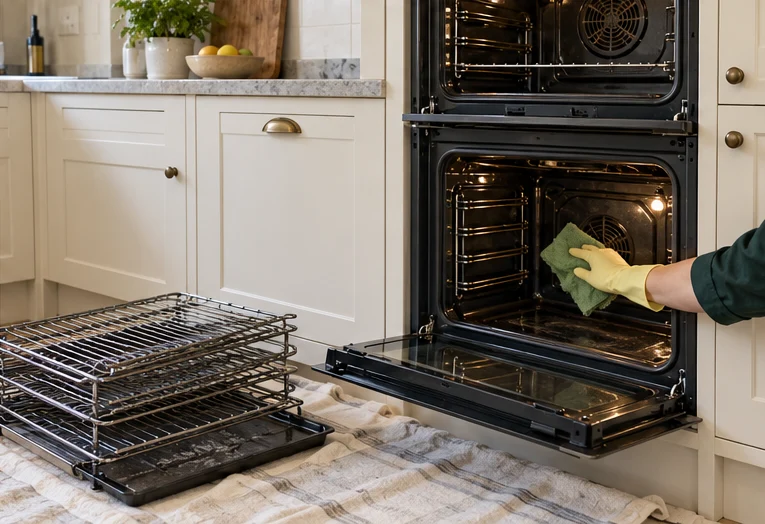
Before anyone dismantles a fitting
Give the inspection a clear starting point.
Leave the oven fully cool and empty of food. Do not run a self-cleaning programme simply because a professional visit is booked; follow the manual and any preparation instructions agreed with the team. Explain when the last programme was used and whether anything unusual happened during it, such as an error message or a door problem.
Keep loose accessories available rather than placing them in storage where they cannot be assessed. Clear a practical handling area nearby, and tell the team about restricted door movement or a fixed kitchen island that limits approach. A technician needs space to work with suitable removable parts, not just room to stand in front of the oven.
Note any products already applied and avoid mixing treatments. If you have recently moved in and do not know the previous cleaning history, say so. An honest gap in information is preferable to assuming the liners are ordinary enamel. Keep water, electricity and access arrangements consistent with what was agreed during booking.
Access is part of the plan
Check permissions for this Kensington address.
Refer to Royal Borough parking information for applicable permit arrangements. Check the actual signs and coordinate the visiting vehicle details rather than extending assumptions from your own parking entitlement.
If the property has a service entrance, porter or lift booking, explain the process before the appointment. Include any limit on access hours imposed by the building. Those arrangements are property-specific; they do not imply that all Kensington homes have the same layout or management procedure.
For an absent owner, leave the manual or model information with the person granting entry. Make it clear who can agree a change if inspection identifies a different appliance configuration from the original description. Keeping one informed contact available helps avoid several people giving conflicting instructions about the same visit.
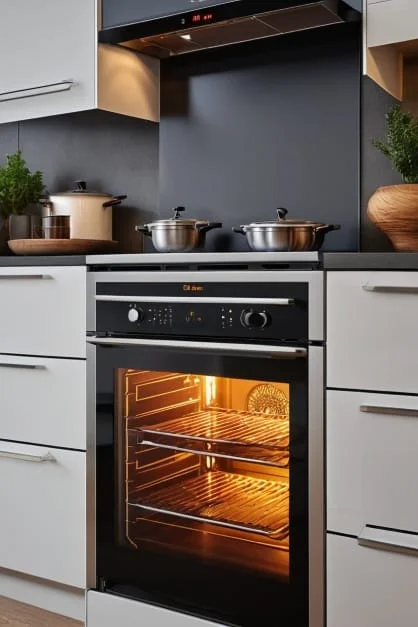
After specialist-surface cleaning
Keep the care instructions with the appliance.
At handover, ask what was cleaned, what remained in place and whether a specialist surface limited the method. Store those notes with the appliance manual. If a mark is permanent wear, further chemical treatment may not be appropriate; understanding the reason helps you avoid repeating unsuccessful attempts after the visit.
Discuss the model-specific return to use, including whether any short empty heating period is advised. Do not assume the next step is automatically another self-cleaning cycle. If a component has been refitted, check that its positioning and ordinary operation have been explained before you start preparing a meal.
Request the complete price for the configuration and accessories agreed. No Kensington tariff is invented here, and no cleaning method is promised without knowing the oven. The most useful outcome of the enquiry is a clear description of the work, any exclusions and the appointment arrangements for your address.
Questions before booking
Kensington oven care: the details worth checking.
Do I need professional cleaning if the oven has a cleaning cycle?
That depends on the condition and the parts causing concern. Glass, accessories and accessible surfaces may need separate attention. Describe the model and the remaining deposits so the conversation addresses those parts rather than treating a programme name as a complete maintenance plan.
Should the racks stay inside during a high-temperature programme?
Follow the instructions for the particular oven and accessories. Do not rely on a general answer for all rack materials. If the manual is missing, use the model details to establish the correct guidance before operating a programme you have not used before.
Can catalytic panels go in the dip tank?
Do not assume they are suitable. Tell the team that specialist liners are fitted and let the inspection establish the method. Separate treatment of appropriate removable metal accessories does not mean every removable panel should be cleaned in the same way.
What if the cleaning programme shows an error?
Explain the error before booking and avoid presenting it solely as a dirt problem. The fault may require a separate repair assessment. Give the make, model and error information so the discussion can distinguish a cleaning request from a programme that is not operating correctly.
Can I arrange a visit for a recently purchased flat?
Yes, discuss an enquiry using the full address, appliance details and access contact. Explain which parts of the appliance history are unknown. Availability and scope need confirmation; a change of ownership does not establish the condition of the oven or guarantee a particular cleaning result.
Planning a visit at another address?
Explore the surrounding area guides.
For another household, read the guides for Chelsea, Hammersmith, Fulham. Find the full collection in Areas We Cover. These guides help you prepare an enquiry; availability is confirmed for the full postcode.
Professional Oven Care / Kensington
Ready to discuss your oven?
Call with the model, condition and access details. Confirm the work and complete quote before arranging your appointment.