
Professional Oven Care / Chelsea
Oven Cleaning Chelsea
Careful preparation for glass, enamel and fitted kitchens.
The glass door is only one part of an oven clean. Trim, seals, removable shelves and the surrounding cabinetry all influence how the work should be approached. For a Chelsea enquiry, tell Professional Oven Care what appliance is fitted and which surfaces concern you. We will discuss the cleaning scope and access before a visit is agreed, with availability checked for the postcode. This guide helps you ask precise questions without assuming that one method suits every oven.
Materials considered before treatment
Door construction discussed first
Building access planned in advance
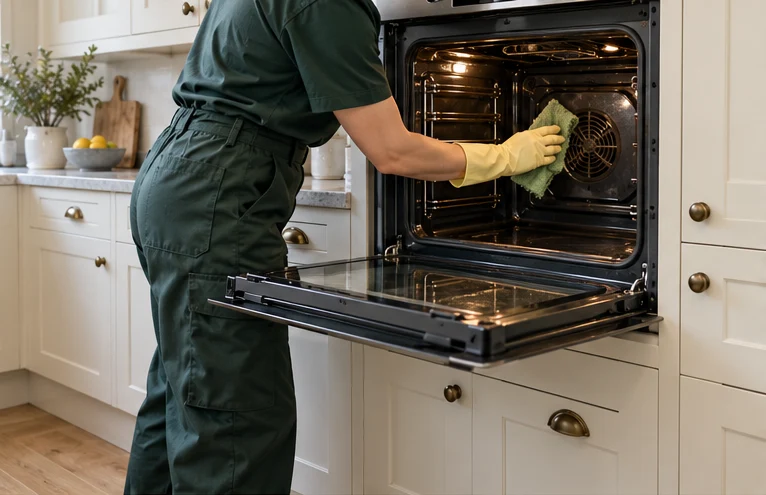
Look beyond the reflection
Identify the finish before choosing the method.
A polished exterior does not tell you how the interior is lined. Enamel, catalytic panels and other specialist surfaces may appear alongside each other in the same appliance. Use the manual or model number to establish the construction, and mention any coating you are uncertain about. Avoid testing a strong product on a hidden patch simply to see what happens.
Door trim can also combine metal, glass and printed markings. Point out a fading control label, a loose decorative strip or a chipped edge before the inspection starts. This makes it possible to recognise existing condition and decide what can be cleaned appropriately, rather than treating all visible surfaces as equally robust.
Our London oven cleaning service provides the main overview. A useful Chelsea booking adds the details of your appliance and home, including access permissions where relevant. The business describes London coverage generally; the actual address and appointment availability still need confirmation when you call.
Clearer glass, sensible limits
Understand which door surfaces are accessible.
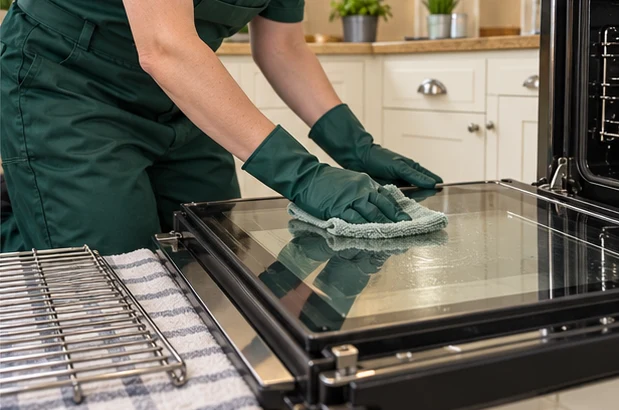
Grease on the inner face of a door is different from residue trapped between panes. Some designs allow suitable panels to be removed; others require a different approach or have fittings that should remain undisturbed. Ask what is possible for the model instead of assuming a photograph of a clear door proves that every door can be dismantled.
A door that drops unexpectedly, resists closing or has a loose handle should be discussed before work begins. Cleaning does not correct hinge tension, a damaged seal or broken glass. Leave the appliance assembled for assessment and avoid loosening screws in advance. A small lost fitting can turn an otherwise straightforward visit into a refitting problem.
Suitable removable accessories can receive separate degreasing, including dip-tank treatment where appropriate. The cavity is then treated according to its surfaces and access. Products should not simply be carried from one material to another. At handover, ask about anything intentionally left in place and any marks that reflect wear rather than remaining food residue.
Choose the relevant extras
An oven, a room and a repair are different tasks.
An extractor with greasy filters may deserve attention at the same time, but it should be specified when requesting the quote. Explain the position, filter type if known and whether safe access is restricted by cupboards or a projecting canopy. Additional appliance work should be agreed explicitly instead of assumed from the phrase kitchen cleaning.
For cupboard exteriors, worktops and a wider room reset, read about deep kitchen cleaning. Its basic oven cleaning is not the same as specialist removable-part treatment. Choose the scope around the result you need and ask how the tasks fit together if both are being considered.
If a control fails, the oven does not reach temperature or a door fitting is damaged, the oven repair service is the relevant separate conversation. Cleaning may reveal a worn component more clearly but does not diagnose every fault. The comparison below helps separate cleaning targets from issues to flag in advance.
| Surface or fitting | Cleaning discussion | Flag before the visit |
|---|---|---|
| Door glass | Accessible faces and removable panels | Cracks, chips or loose trim |
| Enamel cavity | Suitable removal of baked deposits | Worn or damaged coating |
| Specialist liners | Manufacturer-specific care | Liner type and model |
| Extractor filters | Separately agreed appliance work | Filter material and access |
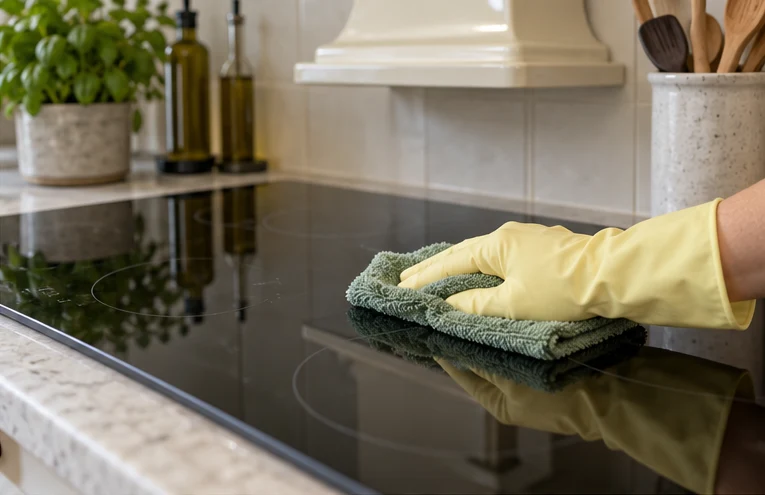
Protect the working space
Clear enough room for careful handling.
Move ornaments, small appliances and loose items away from the immediate work area. Tell the team about delicate flooring, a recently finished cabinet surface or a worktop with particular care requirements. Do not cover everything with improvised adhesive protection; ask what preparation is appropriate rather than creating another finish that needs to be removed.
Allow the oven to cool completely and remove food before the visit. Water and electricity requirements should be discussed at booking, especially if either supply is difficult to reach. Keep the manual available if you have it. The model information can be more useful than a broad description such as premium or integrated.
For a managed building, check whether advance visitor registration or a service entrance is required. Give the person receiving the technician the agreed scope and a contact who can make decisions. If the owner will be absent, establish who can approve any proposed additional work rather than leaving that question to the end.
Chelsea arrival arrangements
Match the instructions to the front door.
Use the council visitor parking guidance when checking an address in the Royal Borough. Confirm the relevant bay and current signs rather than assuming a resident permit covers a visiting vehicle.
A concierge, intercom or delivery bay can affect the route to the kitchen. Describe any booking procedure to the team before agreeing the visit. An available bay does not necessarily authorise unloading at the entrance, and building permission does not replace the parking requirements on the street.
Keep access arrangements separate from claims about speed. Having keys ready and a clear route reduces avoidable confusion, but does not establish a fixed cleaning duration. When coordinating several contractors, leave the oven working area available rather than scheduling another job in the same space at exactly the same time.

A finish you can assess
Look for an explained result, not a vague promise.
Inspect the agreed parts while the technician is present and ask how the door, racks and supports have been refitted. Where a mark remains, establish whether it is residue, a stain or surface wear. Existing scratches and damaged coatings should not be described as dirt that merely needs more force.
Request any instructions for first use, including a model-appropriate warm-up if advised. Keep the surrounding area clear until the handover is complete. Once the appliance is cool after ordinary use, a suitable routine wipe can help stop fresh splashes becoming repeated layers; follow the manufacturer guidance for the finish.
The quote should identify the appliance, compartments, accessories and extras. There is no verified Chelsea-specific tariff on this page, so ask for the complete amount before booking. Confirm availability using the postcode and discuss access costs where applicable, rather than treating a general area guide as an offer for every kitchen.
Questions before booking
Chelsea oven care: the details worth checking.
Can you remove every pane from my oven door?
The door design and condition determine what can safely be accessed. Give the model and explain where the residue is trapped. The technician should assess fittings rather than promise complete dismantling on the basis of the area or appliance price.
Should I polish the exterior first?
There is no need to add a fresh treatment immediately before professional cleaning. Tell the team which products you have used, especially around trim or printed controls. Keeping the surface accessible is more helpful than masking marks with a temporary shine.
Can a concierge arrange the whole appointment?
They can help with entry if the building allows it, but the scope and decision-making contact should be agreed separately. Establish who can answer appliance questions and approve work. Access permission alone does not tell the technician which accessories or extras were booked.
Will cleaning restore scratched glass?
Removing deposits can improve visibility, but a scratch is damage to the surface. Discuss the condition at inspection and ask what will remain. Avoid accepting an expectation of new glass when the agreed service is cleaning an existing component.
What should a combined quotation include?
Ask for each oven compartment, the relevant removable parts and any hob or extractor work to be identified. Give access information and request the complete amount. This allows you to compare the proposed work rather than comparing figures attached to different scopes.
Planning a visit at another address?
Explore the surrounding area guides.
For another household, read the guides for Fulham, Kensington, Battersea. Find the full collection in Areas We Cover. These guides help you prepare an enquiry; availability is confirmed for the full postcode.
Professional Oven Care / Chelsea
Ready to discuss your oven?
Call with the model, condition and access details. Confirm the work and complete quote before arranging your appointment.