
Professional Oven Care / Harrow
Oven Cleaning Harrow
Care for the oven you have, with realistic expectations.
An older oven can have removable food deposits and permanent signs of use at the same time. For a Harrow enquiry, it helps to describe both without expecting cleaning to renew a damaged finish. Professional Oven Care’s published London coverage is checked against your full postcode. This guide focuses on assessing condition, preparing original accessories and understanding when a clean is useful and when a separate appliance fault needs to be discussed first.
Discuss wear openly
Identify original accessories
Keep repair expectations clear
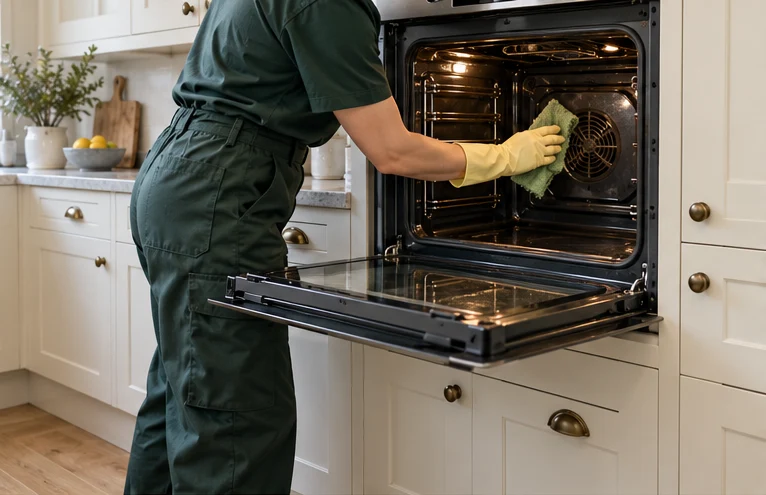
Know the starting condition
Age alone does not describe the cleaning job
A cooker’s age is useful background, but condition matters more than a number. Note where deposits sit, whether the enamel is intact and which fittings are loose. Two ovens installed at the same time can have very different use histories, so avoid estimating the work simply from how many years the appliance has been in the kitchen.
Find the model information if safely accessible. Keep a manual or original accessory list available where possible. Replaced trays, added liners and sliding supports may have different care requirements from the original cavity. Explain changes you know about rather than assuming the technician can identify the history from appearance alone.
Our oven cleaning London service sets out the specialist approach. A Harrow booking should include the postcode, cavity count and honest observations about wear. Cleaning may be valuable without a promise to make every component look new, and a clear starting description helps establish an appropriate scope before a visit is arranged.
Cleaning within material limits
Address deposits without treating damage as dirt
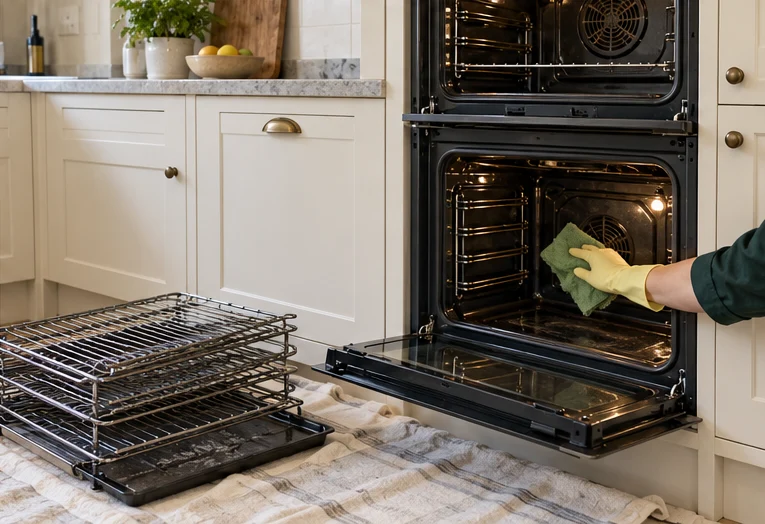
Suitable removable racks, trays and supports can be assessed for separate degreasing, including dip-tank treatment where appropriate. Coated accessories and parts with uncertain construction need a different discussion. Keep them identifiable and disclose missing or altered fittings so removal is not approached as though every component remains in its original condition.
The cavity needs methods matched to enamel, glass and any specialist lining. A chipped area is not made sound by cleaning, and aggressive scraping can worsen a damaged surface. Explain earlier products and attempted repairs. Inspection establishes what can safely be treated and which limitations should be discussed rather than hidden beneath a broad promise.
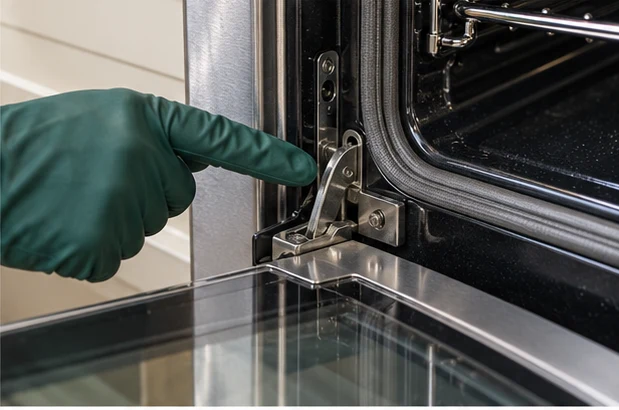
Door glass and its fixings also need assessment. A scratch may remain even when grease is removed, and a worn hinge can affect dismantling. Mention a door that drops or fails to close properly. Do not attempt to improve its condition by tightening random screws or removing panels before the technician has assessed the design.
Agree a useful scope
Choose the work rather than a vague restoration
For a double oven, identify both cavities and the suitable accessories wanted. A grill pan can be heavily used even when the main oven is relatively clear. A range cooker needs its configuration described, including which doors are ovens and which are storage, so the quote addresses actual cooking spaces rather than an assumed number.
A hob or extractor can be added only by agreement. Explain surface finish, fuel and filter construction and mention damaged controls. Cleaning should not be described as appliance restoration where parts are worn or faulty. A precise list of accessible surfaces and suitable components offers a more useful basis for deciding whether to proceed.
If the kitchen needs more than appliance work, compare deep kitchen cleaning. For surrounding tiled surfaces, see tile and grout cleaning as a separate discussion of material and condition. Those services do not remove the need to recognise wear, damage or repairs outside cleaning.
| Observed condition | Cleaning discussion | Separate limitation |
|---|---|---|
| Greasy shelf | Suitable separate treatment | Check coating and fittings |
| Marked enamel | Assess deposits on sound surfaces | Chips are not renewed |
| Cloudy glass | Accessible suitable cleaning | Scratches may remain |
| Loose door | Disclose condition before booking | Mechanism may need repair |
Prepare the complete appliance
Leave loose and worn parts visible to discuss
Allow the oven to cool, remove food and personal cookware and keep original accessories available. Clear the door opening and adjacent working area. Do not hide a loose component in a cupboard or reassemble it uncertainly; explain what has come away and keep the part identifiable for the inspection and service discussion.
Hot water and electricity need to be available. Tell the team about awkward entry, stairs, a restricted sink or an oven door blocked by furniture. The appliance should remain installed unless a suitable professional arrangement says otherwise. A routine clean is not a reason to move a heavy cooker or disturb its connections yourself.
If you arrange the visit for another household member, pass on the preparation plan and known condition. The person meeting the technician should know the agreed work and be able to ask questions. Keep the model and any product details ready so decisions are based on information rather than a hurried search during arrival.
Harrow access
Use the current visitor parking instructions
Harrow Council provides visitor parking permit guidance, including online activation. Check the current eligibility and conditions for the address before arranging permission. Do not assume a permit for a resident’s own vehicle or a different location is suitable for the visiting team’s vehicle.
If private parking is offered, confirm permission and any access restriction separately. A gate, shared forecourt or manager-controlled entrance can require arrangements beyond street parking. Describe the equipment route and the contact who will provide entry rather than simply saying there is usually room somewhere near the property.
Give the complete postcode and ask for availability to be confirmed. Published London coverage is not a promise of a Harrow office, immediate attendance or a fixed slot. Coordinate vehicle details only once the booking is agreed so parking arrangements support the real visit instead of being based on an estimated time or guessed registration.
Make the decision clearly
Separate a worthwhile clean from a repair need
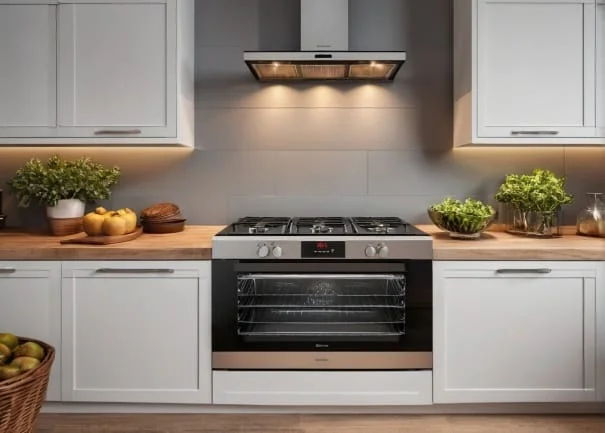
At inspection, ask what residue can appropriately be addressed and which marks may remain because of damage or age-related wear. At completion, review those points. A service can improve cleanliness while scratches, missing enamel or damaged fittings remain, and those limits should be clear rather than framed as a failed attempt to renew the appliance.
Known operating faults need a separate discussion. An oven that trips power, fails to heat or has an unreliable door should be raised before booking. Our oven repair page distinguishes fault assessment from cleaning. Do not assume degreasing will restore temperature accuracy or certify an appliance’s electrical or gas condition.
Confirm the whole quote and exclusions, including any agreed hob or extractor, before proceeding. Ask for the model-specific return-to-use guidance and any recommended empty warm-up. Keep the advice available for other users and maintain the surfaces according to the manufacturer’s instructions instead of adopting a stronger product simply because the appliance is older.
Questions before booking
Harrow oven care: the details worth checking.
Can cleaning still help a cooker with visible wear?
That depends on the condition, suitable work and your own plans for the appliance. Describe deposits and wear separately and ask about scope. Cleaning can be useful without renewing every component, but known faults should be discussed before deciding on the service.
Can damaged enamel be restored by degreasing?
No cleaning promise should treat missing or damaged enamel as removable dirt. Inspection can distinguish deposits from surface limitations. Explain chips and previous scraping so suitable treatment can be discussed without expecting the underlying finish to be replaced.
What if a shelf support is already loose?
Mention it and leave the parts identifiable. Do not force removal or attempt an improvised repair as preparation. The fitting’s condition can affect appropriate handling, and a mechanical problem may need a discussion distinct from ordinary shelf cleaning.
Does the clean include a safety certificate?
An oven clean is not a gas safety check or electrical inspection. Raise known operating symptoms with the appropriate professional service. A cleaner cavity and accessories do not establish that every connection, control or safety mechanism has been tested.
Should I buy replacement trays before the appointment?
You do not need to guess what can be treated from appearance alone. Identify the current accessories and their condition when enquiring. If considering replacements, check the manufacturer’s compatibility information rather than assuming any similarly sized tray suits the appliance.
Planning a visit at another address?
Explore the surrounding area guides.
For another household, read the guides for Wembley, Barnet, Ealing. Find the full collection in Areas We Cover. These guides help you prepare an enquiry; availability is confirmed for the full postcode.
Professional Oven Care / Harrow
Ready to discuss your oven?
Call with the model, condition and access details. Confirm the work and complete quote before arranging your appointment.