
Professional Oven Care / Finchley
Oven Cleaning Finchley
Deal with yesterday’s spills before the next busy week.
A roasting spill can leave more than a mark on the oven floor: shelves, door edges and the grill pan may need attention too. For a Finchley enquiry, describe where the residue is rather than judging the whole appliance from one dark patch. Professional Oven Care’s published London coverage is checked against your postcode. This guide helps you plan routine care around a used kitchen, with practical preparation and realistic expectations about stubborn deposits.
Describe the spill clearly
Include racks and grill pans
Plan a cold-oven appointment
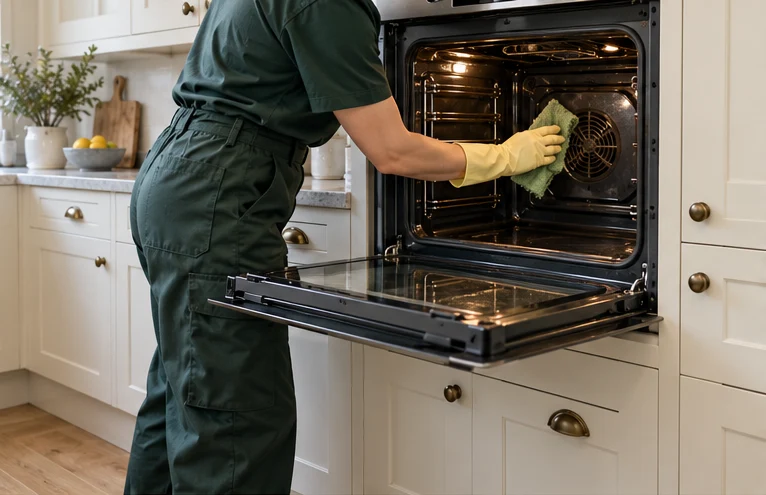
Begin with the cooking history
A recent spill and old build-up are different starting points
Explain whether the problem followed one overflow or has accumulated over many cooking sessions. Sugary residue, grease and loose food debris can appear together but require assessment against the surface. Do not scrape aggressively just to show a cleaner patch; you may damage a finish while trying to establish what lies underneath.
Look at the door edges and accessories as well as the visible cavity floor. A heavily used rack or pan may need separate attention even when the walls look relatively clean. Note the cavity count and model so the team can discuss the actual oven rather than a generic photograph of a spill.
The main oven cleaning London service explains specialist care. For Finchley, give your full address and ask for availability to be confirmed. Mention known damage, recent products and anything unusual about the appliance. Accurate information makes it easier to agree the work without promising that every dark mark can disappear.
How treatment is chosen
Remove suitable parts without forcing fixed ones
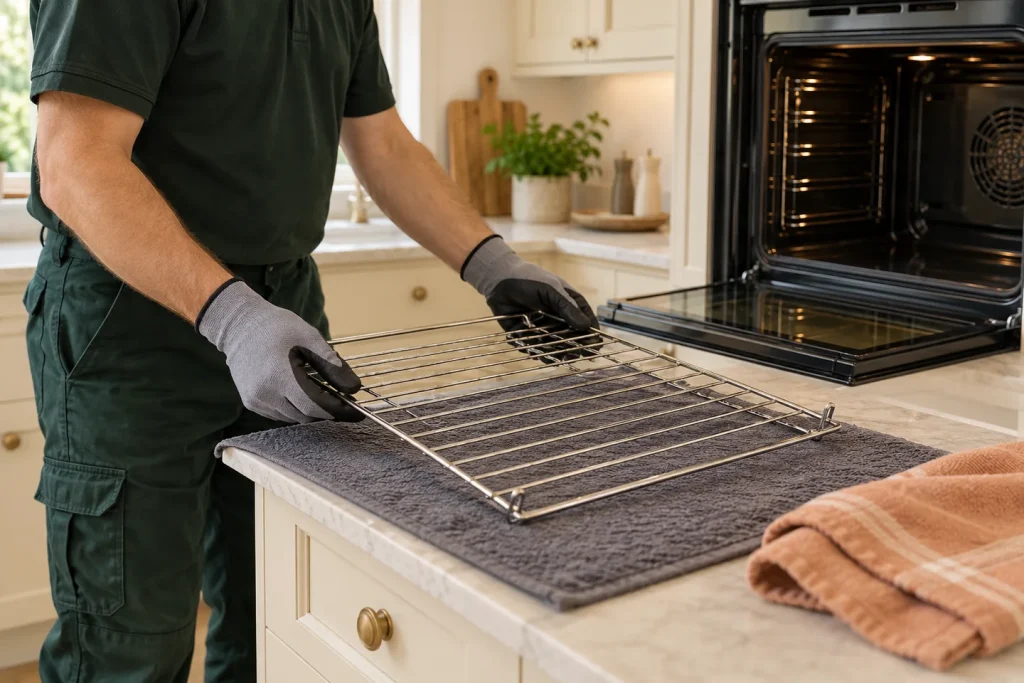
Suitable shelves, trays and supports may be removed for separate degreasing, including appropriate dip-tank treatment. Their coating and construction matter. Keep an aftermarket tray identifiable and mention any unusual insert; a component that looks metallic may not suit the same handling as a plain original rack supplied with the appliance.
Inside the cavity, the method must respect the finish and design. Specialist liners, fan covers and elements are not an invitation to dismantle everything. The inspection establishes what can safely be reached and removed. Tell the technician if a support has become loose or a screw has already been disturbed.
Door glass also needs assessment. Grease on an accessible surface differs from material trapped between panes. The door design and fittings determine access, and a cracked pane or strained hinge may limit work. Leave the assembly intact rather than turning preparation into a dismantling exercise based on instructions for a different cooker.
Expand the scope deliberately
The oven quote should identify the extra items
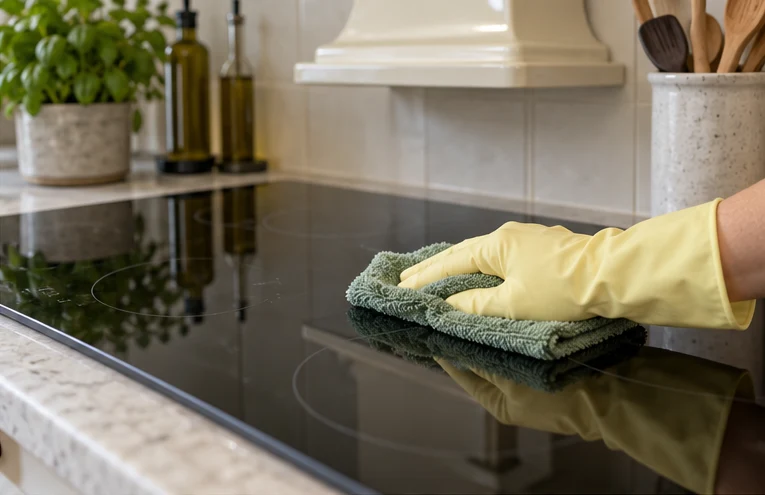
If a roasting session also left a hob dirty, name it as additional work. Explain whether it is gas, glass or another design, and identify damaged controls. An extractor filter can be discussed too, with its material and accessibility. These are separate scope questions even when the appliances share the same cooking area.
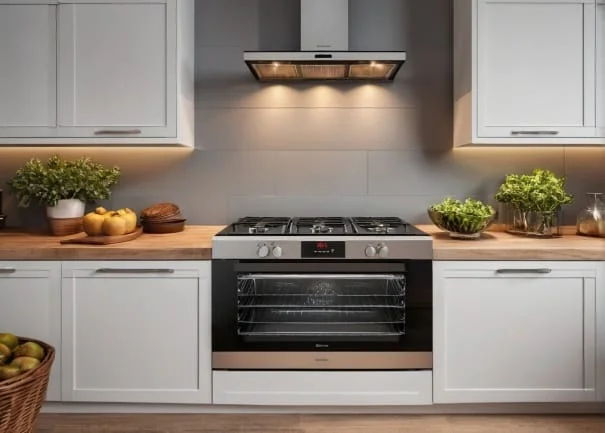
A double oven needs both compartments described. The upper grill may have accumulated deposits independently of the main cavity. Range cookers need the number of actual cooking spaces rather than just a width or door count. Ask what original accessories and removable parts are included before treating the quotation as complete.
For a broader reset, deep kitchen cleaning addresses a different set of tasks. If food storage also needs attention, consider fridge cleaning. Plan those jobs around their own preparation requirements; a kitchen-wide request still needs clear priorities and should not obscure the specialist work intended for the oven.
| What you notice | Scope to discuss | Information that helps |
|---|---|---|
| Residue on the cavity floor | Suitable accessible surfaces | Spill history and lining |
| Greasy racks | Separate treatment if suitable | Coating and original fittings |
| Marked grill pan | Agreed accessory cleaning | Material and condition |
| Hob splashes | Additional appliance work | Fuel and surface finish |
Make the visit practical
Leave cooking time before the cooling time
Avoid using the oven immediately before the appointment. Allow it to become cold and remove food and personal cookware. Clear nearby clutter and enough space for the door to open fully. A kitchen can be tidy for everyday use yet still need rearranging to give the technician room to handle components.
Have hot water and electricity available. Tell the booking team about difficult access, stairs or a sink some distance from the work area. If another person will provide entry, pass them the preparation information and appliance details, not just the arrival date. A reachable contact should know which items were actually agreed.
Do not add a fresh layer of cleaner shortly before the visit. If a product was used after the spill, explain which one and follow its instructions. Combining treatments without identifying the surfaces or previous residue does not make the professional work easier. Keep product information and the model details available for inspection.
Finchley access
Check permission before planning the vehicle arrival
For relevant addresses, Barnet Council’s visitor permit guidance explains permission during controlled hours. Check the current rules for the actual location, including the vehicle details required. Do not presume an existing household permit is the correct arrangement for a visiting service vehicle.
If parking is on private land, confirm that the visiting team is allowed to use it. Explain a gate, loading restriction or shared entrance separately from the permit question. The distance from the vehicle to the kitchen and the person responsible for entry can matter more than a general statement that parking is available.
Confirm the postcode and slot before arranging time-specific permission. London-wide public service coverage does not establish a Finchley office or guarantee a particular time. Good access information supports a real booking, while an available-looking bay or a neighbour’s previous experience cannot substitute for confirmation for your own property.
What to expect afterwards
A clean can address residue without disguising wear
Ask which marks were removable and which relate to damaged enamel, scratches or inaccessible construction. A heavily baked deposit may hide pre-existing wear until it is addressed. The technician should be given known condition information first, and the completion discussion should distinguish material limitations from a promise to make the appliance look new.
If smoke, unusual smell or poor heating persists, do not assume another clean is the answer. Describe the symptom before booking and consult oven repair for fault-related concerns. A cleaning visit does not replace diagnosis of a damaged component or certify the appliance’s electrical or gas condition.
Confirm the complete quote, extras and exclusions beforehand. At handover ask about return-to-use instructions for the model and any advised empty warm-up. For future spills, use the manufacturer’s care guidance once the oven is cool rather than relying on improvised scraping. A routine suited to the finish is more useful than a fixed cleaning interval imposed on every household.
Questions before booking
Finchley oven care: the details worth checking.
Should I scrape a burnt spill first?
Avoid forcing it off with a sharp tool. Identify the surface and tell the team what happened. Scraping can damage enamel or a specialist lining. Describe the deposit and any treatment already tried rather than altering the surface to prepare for a visit.
Can I cook breakfast before the appointment?
Plan enough time for the complete appliance to become cold, following the agreed preparation instructions. Do not assume the main oven cools as quickly as a recently used grill. Household members need to know the same plan so the appliance is ready.
Is a single dark patch necessarily permanent?
Not necessarily, but appearance alone does not establish whether it is residue or damaged material. An appropriate inspection is needed. Ask about realistic limits and disclose previous scraping or products instead of expecting a particular outcome from a colour description.
Can cleaning fix a cooker that heats unevenly?
Uneven heating can involve an operating fault or other appliance-specific cause. Raise it separately and discuss repair assessment. Cleaning suitable surfaces is not a promise to correct temperature control, fan operation or another mechanical or electrical problem.
How often should my oven be professionally cleaned?
Usage, spills, appliance design and your own care routine matter more than one universal interval. Follow manufacturer instructions between visits and discuss the condition you actually see. Frequent cooking does not mean every surface needs the same treatment on the same timetable.
Planning a visit at another address?
Explore the surrounding area guides.
For another household, read the guides for Barnet, Golders Green, Muswell Hill. Find the full collection in Areas We Cover. These guides help you prepare an enquiry; availability is confirmed for the full postcode.
Professional Oven Care / Finchley
Ready to discuss your oven?
Call with the model, condition and access details. Confirm the work and complete quote before arranging your appointment.