
The kitchen care journal
Oven cleaning in a flat: access, lifts and parking
An oven clean in a flat begins before anyone opens the appliance door. The cleaner needs to reach the building, carry equipment to the right floor and find a workable space in the kitchen. In London, a street address may lead to several entrances, a controlled loading bay or a lift with limited hours. Sharing those details when you enquire makes the appointment easier to price and less likely to start with a search for the correct door.
In this guide
Describe the route from street to kitchen
Sort out parking before the visit
Make building rules part of the booking
Prepare a compact working area
Describe the route from street to kitchen
Give the full postcode, building name if there is one, flat number and the entrance the team should use. Some blocks have a public front door and a separate service entrance. Others have two streets that appear to reach the same building. A short instruction such as “use the side gate on the named road” is more useful than assuming the map pin will settle the question.
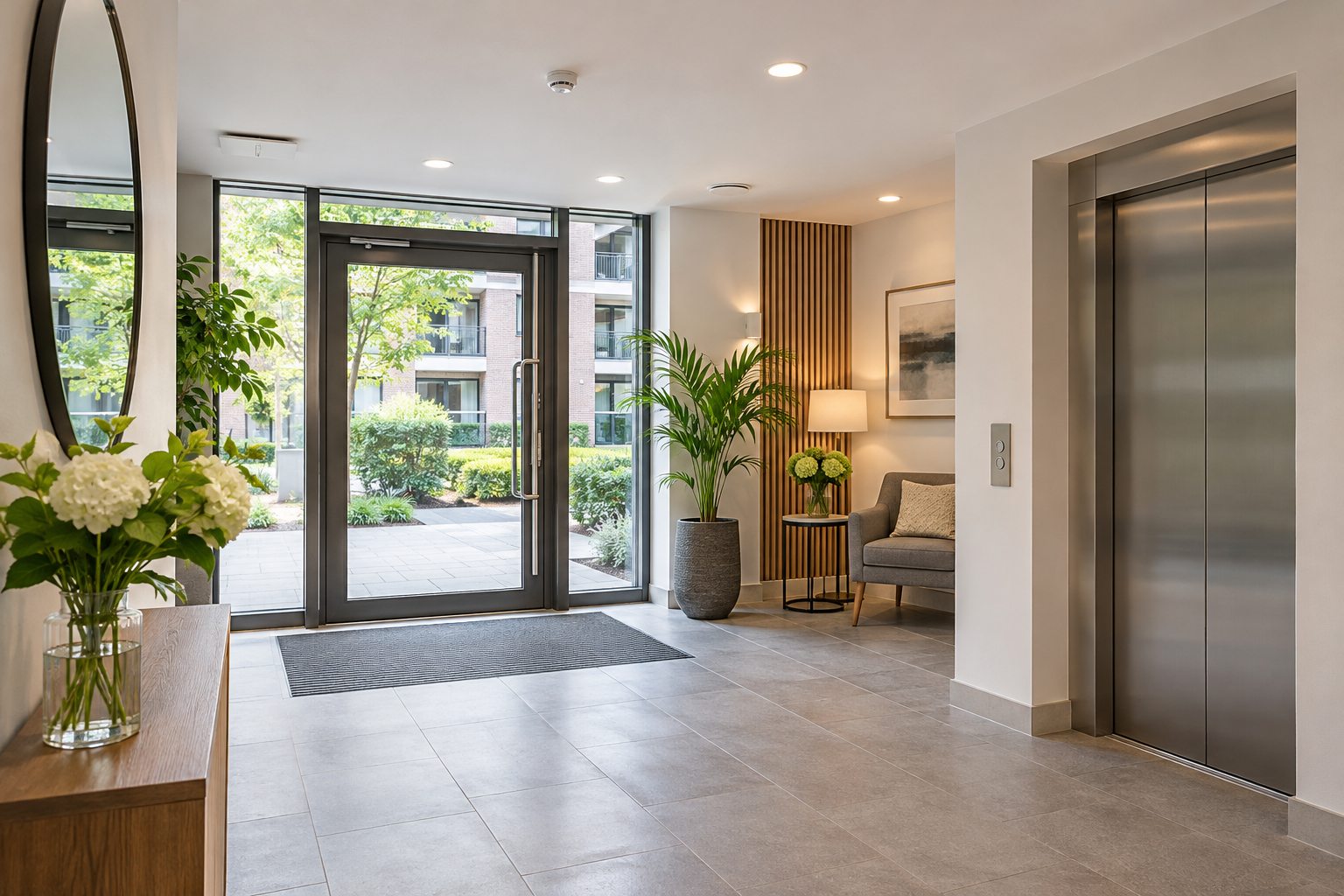
Explain how visitors get in. Is there a working intercom, a concierge desk, an entry code or a resident who must come downstairs? Provide a contact number for the person who will actually be present. If the entrance is hard to spot, describe a permanent landmark rather than sending a photograph that might show neighbours or private details.
Check the lift and stairs
Tell the cleaner which floor the kitchen is on and whether a lift serves it. A lift may stop one level below the flat, sit behind another locked door or be too small for larger equipment. If the lift is frequently out of service, mention that possibility before the booking is confirmed. The team can then decide what is practical to carry and how much time to allow.
Where stairs are the only route, give the approximate number of flights and note any narrow turns. You do not need to measure every step. The point is to avoid describing a fifth-floor flat simply as “easy access”. If the building has rules about using a goods lift or protecting shared flooring, pass them on and confirm whether a booking slot is required.
Sort out parking before the visit
Parking arrangements can be more complicated than the drive to the property. Tell the team whether there is a visitor bay, a controlled parking zone, a loading restriction or no nearby stopping place. Do not promise that a permit is available until you have checked the building or council rules. If you can arrange visitor parking, explain exactly how it is activated and who pays for it.
Ask the cleaner to include any parking or travel charge in the complete quote. Where a vehicle cannot stop near the entrance, estimate the walking distance from the nearest lawful unloading point. A cleaner bringing equipment should know that before accepting a short appointment window. If the concierge manages deliveries, ask whether cleaning contractors must register in advance.
For a rented flat, check who can authorise a visitor bay rather than assuming the landlord has arranged one. In a shared building, a space labelled for deliveries may have a short time limit that does not cover the whole appointment. Tell the team if unloading and parking require different locations. Write down the bay number, permit method and any access hours in one message so the cleaner does not have to piece together calls while travelling.
Make building rules part of the booking
Some flats have quiet hours, restrictions on contractor visits or a requirement to use protective coverings in communal areas. Check the lease or building notice if you are unsure. Tell the team about any rule that affects arrival, equipment movement or finishing time. A midday slot may be possible when an early morning visit is not.
If a management company requires a contractor name or insurance information, request it from the cleaning business well before the day. Do not leave paperwork for the concierge to resolve while the cleaner waits outside. Equally, avoid booking a service lift on the assumption that the job will finish at a precise minute; allow sensible time for the visit and carrying equipment back out.
Prepare a compact working area
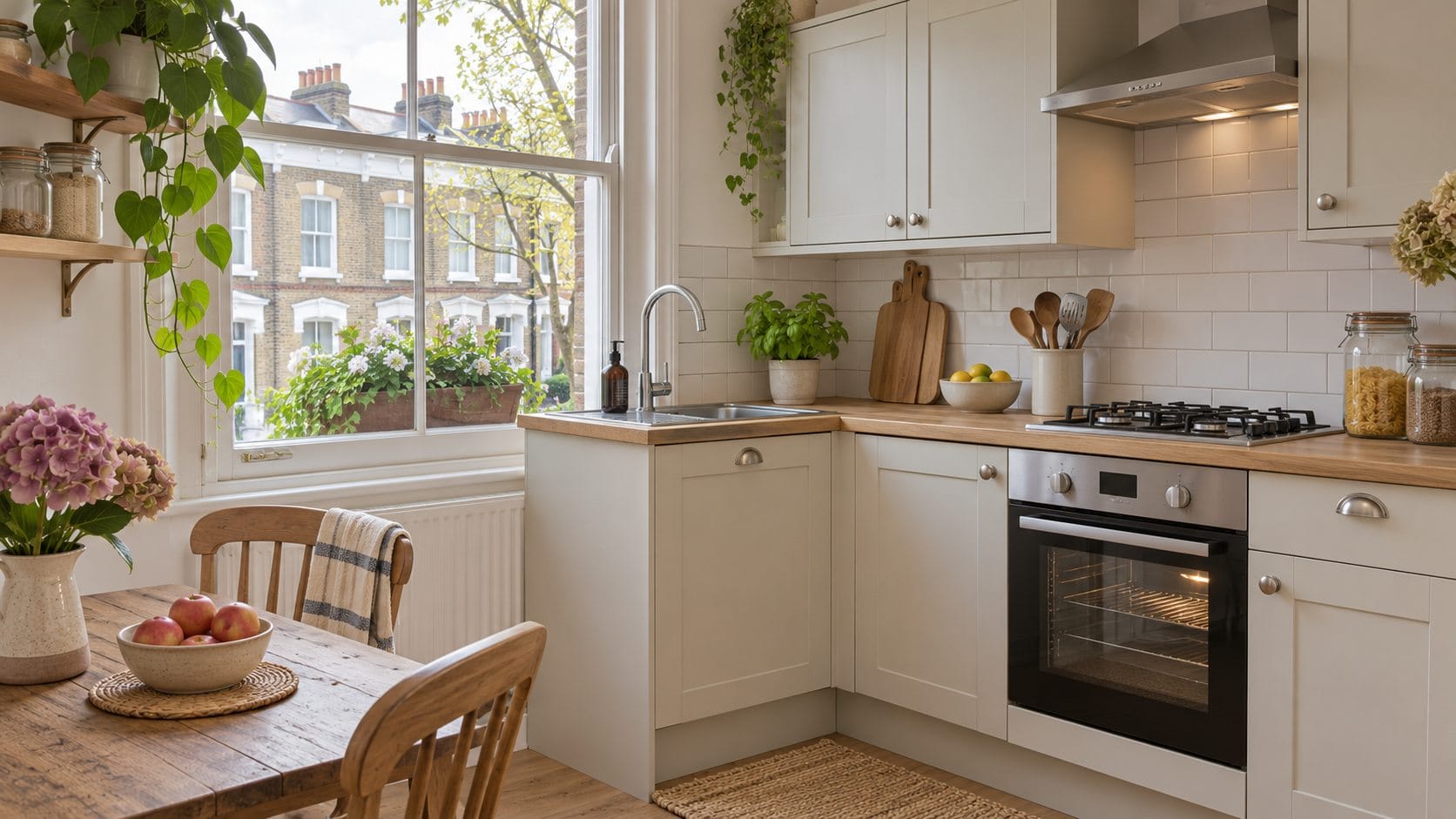
Flat kitchens can be efficient but tight. Clear small appliances, pans and loose items from the hob and an adjacent worktop. Leave an accessible route to the oven and explain whether the kitchen is open to a living area. A cleaner can then discuss how to protect surrounding surfaces and where suitable removable racks or trays can be handled.
You do not need to empty every cupboard or move a heavy cooker. If a washing machine, island or dining table limits access, describe the layout in advance. A photograph of the kitchen can help, provided it does not reveal anything you would rather keep private. Keep pets and household members out of the working area according to the team’s instructions.
Agree the appliance scope separately
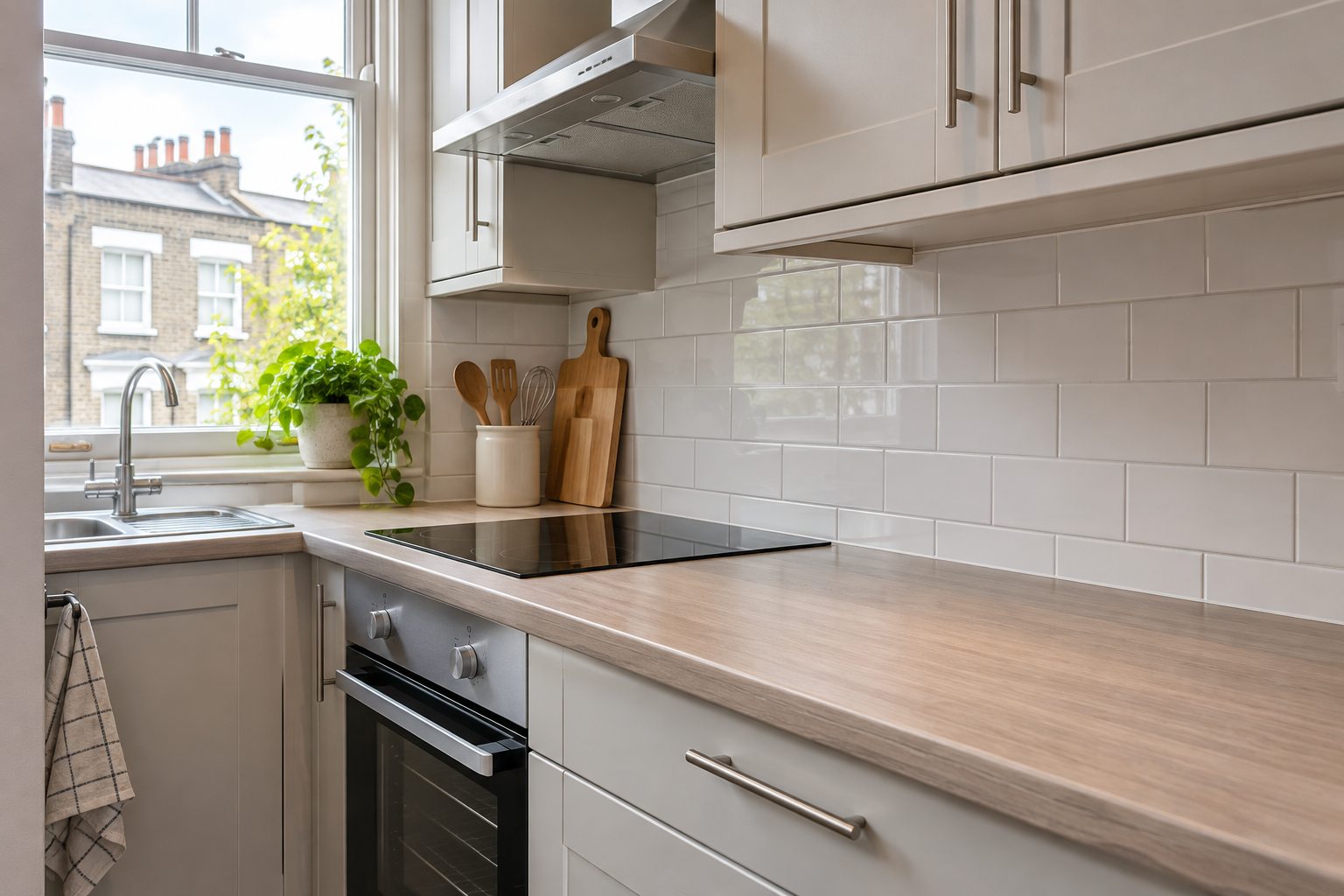
Good access details do not replace a description of the oven. Tell the team whether it is a single oven, double oven or range cooker; note the make, model and condition if known. Mention a grill, hob or extractor if you want it included. A small flat can contain a large or heavily used appliance, so the room’s size is not a reliable guide to the cleaning price.
Discuss any existing damage, stubborn marks or parts that appear loose. Ask what the service includes for accessible glass, racks and suitable removable components. For professional oven cleaning in London, a clear appliance description and an accurate access note together give the team a better basis for a quote.
Confirm the final details the day before
Before the appointment, check the entrance and lift are available, the visitor parking arrangement still applies and the person meeting the cleaner has the correct time. If building works, a lift fault or a road closure changes access, contact the team promptly. A change discovered at the door can affect the work or the agreed price.
Keep the intercom or phone available when the team arrives. Show them the route and point out any fragile communal surfaces or awkward turns. Once inside, confirm the oven and any add-ons on the agreed quote. These few practical checks let the visit focus on the appliance, while giving everyone a clear route out when the work is finished.