
Professional Oven Care / Walthamstow
Oven Cleaning Walthamstow
Reset the oven, then keep the routine manageable.
A professional clean is easier to make useful when it leads to a realistic plan for everyday care. You do not need a complicated timetable or a cupboard full of products: you need to understand the appliance and deal with suitable spills at the right time. This Walthamstow guide explains the clean, preparation and aftercare questions. Professional Oven Care’s advertised London coverage remains subject to confirming your exact postcode, scope and appointment availability.
Plan achievable upkeep
Identify recurring spill areas
Keep the clean model-specific
Notice the pattern of use
Find the places that repeatedly collect residue.
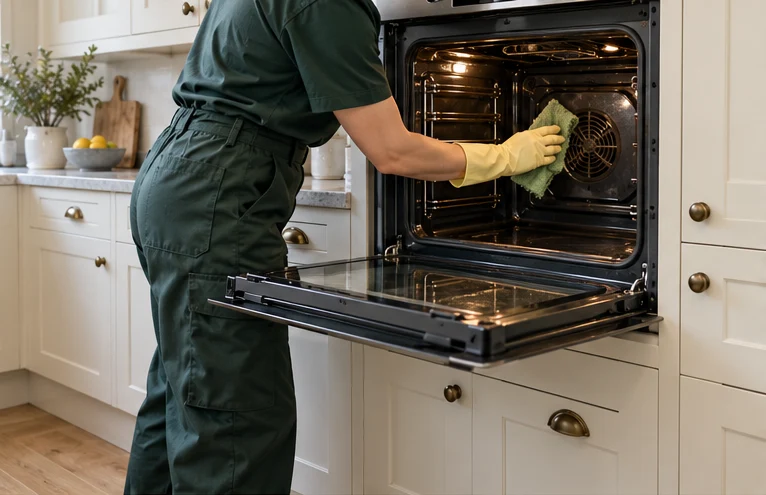
Look at the oven when it is cool and note where grease or overflow tends to gather. The base, shelf edges and door can need different attention. Explain those recurring areas when requesting the clean instead of describing the whole appliance as simply dirty. The pattern helps establish useful priorities without asking you to identify the residue chemically.
Consider how different cooking habits affect the appliance. Frequent roasting, baking overflow and grill use can leave different deposits, but none requires a claim about how every household should cook. Describe your own routine and the components you use, including trays stored outside the oven that you want considered in the work.
Our London oven cleaning service page explains the overall approach. For a Walthamstow appointment, bring together the model details, cavity count and full postcode. A clear enquiry allows the team to discuss condition and access before proposing a scope, rather than relying on an assumed standard clean for every cooker.
Start with an appropriate deep clean
Separate parts and surfaces require separate choices.
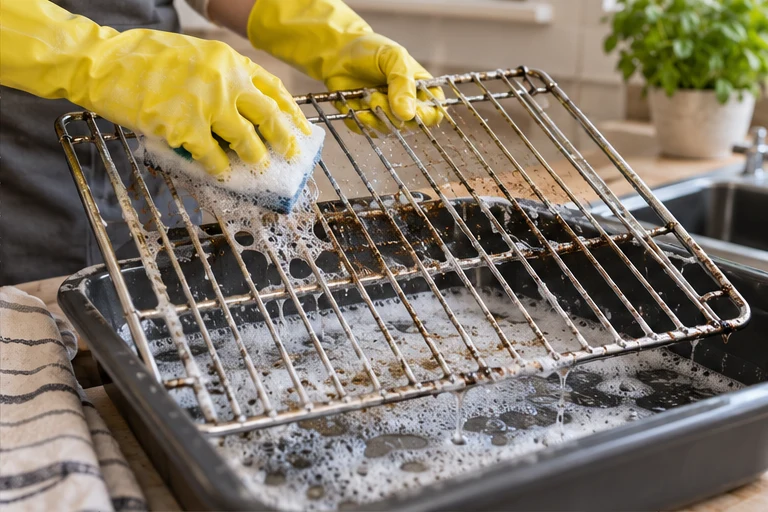
Suitable removable metal shelves, trays and supports can receive individual treatment, including dip-tank cleaning where appropriate. A coated accessory or telescopic fitting may need different handling from a plain rack. Leave technical parts in place for inspection and explain stiffness, damage or unusual mechanisms instead of forcing them apart before the visit.
The interior method should suit its enamel, liners and other finishes. Keep the manual available if you can and identify any self-cleaning feature. More product is not automatically more effective, especially over residues from something already applied. Tell the technician about recent treatments so the next step follows the surface rather than an assumption.
Accessible glass is another distinct area. Door panels can be considered for removal only where their design and condition permit it safely. Describe residue between panes, loose trim or damaged seals during the enquiry. A careful clean can improve visibility without promising to erase scratches, repair a hinge or reach every sealed space.
Include the appliances that support the routine
A cleaner oven does not define every other task.
If the smaller compartment is used mainly for grilling, name it separately and describe its tray. Deposits there can differ from those in the main oven. Include all the components you want quoted so an otherwise useful appointment does not leave a frequently used part outside the agreed scope through a simple misunderstanding.
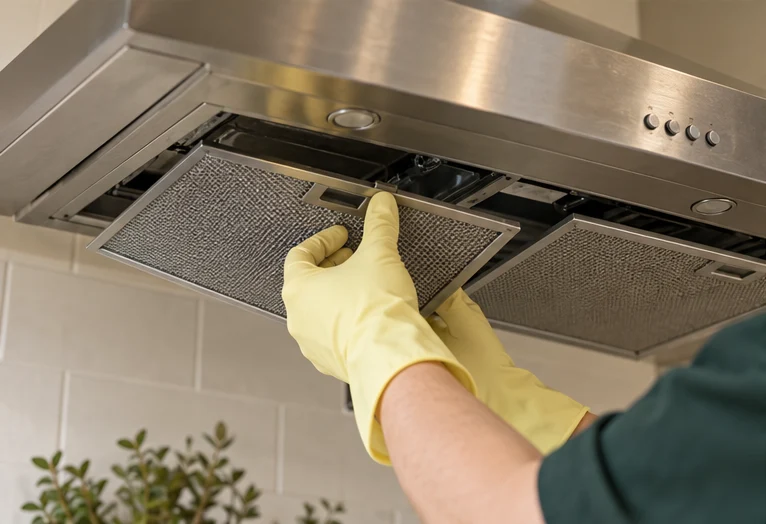
Hob and extractor additions should be identified by surface, filter type and access. Ask which components are appropriate for cleaning and what is excluded. A removable carbon filter is not necessarily a washable grease filter, and a high extractor may require a different access discussion from a hob directly beside the oven.
For work beyond appliances, consider deep kitchen cleaning. For a separate fridge clean, plan the food-storage arrangements and who will empty the appliance. A coordinated kitchen reset works best when the purpose and preparation of each service are clear rather than gathered under one vague label.
| Appliance or component | Scope to agree | Useful information |
|---|---|---|
| Main oven base | Suitable treatment of cooking deposits | Repeated overflow and liner details |
| Racks and trays | Separate cleaning of suitable components | Coating, use and fitting condition |
| Grill compartment | Additional agreed cavity and accessories | Frequency of grill use and grease |
| Hob or extractor | Optional appliance additions | Surface, filter type and access |
Make the appointment easy to begin
Preparation is about access, cooling and information.
Leave time for every cooking compartment to cool and remove food and personal utensils. Clear the nearby work area and a route from the entrance, including items that could trip someone carrying equipment. There is no need to pre-scrub to make the oven look presentable; an accurate description of the condition is more useful.
Provide the hot water and electricity agreed at booking and tell the team if the door cannot open fully or a fitting is unstable. Do not move an integrated cooker or detach the door as a favour. Preparation should leave the appliance available for assessment, not create a new dismantling or reconnection task.
Plan who will be available at the start and handover. If the person who normally cooks will be absent, ask them about faults and previous product use beforehand. Leave a little room in the day for model-specific guidance after the clean instead of assuming the oven will be needed for an immediate meal.
Check current visitor arrangements
Walthamstow planning includes the parking system.
Waltham Forest Council’s resident visitor permit guide currently describes MiPermit arrangements. Check that up-to-date guidance for your address instead of relying on an old permit routine. Confirm the correct zone and vehicle information and read the applicable conditions before arranging time for the visit.
Tell the team whether equipment must pass through a shared entrance, a garden route or stairs. Those are individual possibilities to check, not assumptions about local properties. If someone else controls access, make sure they know the booking and can be reached at the right time rather than only when the appointment was first discussed.
Give the full postcode when checking Professional Oven Care’s London coverage and ask how any parking or entry limitation affects the proposed appointment. Arrange practical details after timing has been agreed. A visitor permit is part of access planning, not a guarantee that a particular bay will be free or that an unconfirmed slot has been reserved.

Keep aftercare achievable
Choose a routine you can actually maintain.
Ask what can be wiped safely once the oven is cool and which surfaces should be left to the manufacturer’s specific instructions. A simple routine suited to the model is more useful than frequent harsh treatment. Avoid abrasive tools merely because a small patch looks stubborn, and distinguish a new spill from permanent wear.
Use the handover to discuss recurring overflow and the fittings you use most. Suitable cookware and sensible placement should follow the appliance instructions; improvised coverings can create other problems if the manual does not permit them. The goal is manageable care rather than a promise that a professional clean prevents every future deposit.
Confirm the complete quote before booking and the guidance before cooking afterwards. Ask about remaining marks so you know whether they are residue, finish characteristics or damage. Future cleaning needs depend on use and condition, so agree a sensible approach without treating a fixed calendar interval as a requirement for every Walthamstow household.
Questions before booking
Walthamstow oven care: the details worth checking.
Do I need to scrub the oven before the appointment?
No general pre-scrubbing assumption is needed. Describe its condition honestly and focus on cooling it and clearing access. Tell the team about products already used so suitable treatment can be discussed without another fresh layer being applied.
How often should I book a professional clean?
Discuss your cooking routine, appliance finish and condition rather than relying on one interval for everyone. Model-specific everyday care and an accurate view of build-up are more useful than a timetable that ignores how the cooker is used.
Can I cover the oven base to catch future spills?
Check the appliance instructions before adding any liner or covering. Do not assume an improvised barrier is appropriate for your model. Ask for suitable care advice at handover rather than replacing one cleaning problem with an unsuitable arrangement.
Should I use an old visitor parking process?
Check the council’s current guidance, including the system that applies to your address. Parking arrangements can change. Coordinate the confirmed vehicle and timing instead of assuming a previous booking’s process will work unchanged.
Will the clean prevent grease from returning?
Future deposits depend on cooking and upkeep. A professional clean addresses the agreed existing condition; it is not a permanent barrier. Ask which suitable cooled spills you can handle routinely and where the manual requires more specific care.
Planning a visit at another address?
Explore the surrounding area guides.
For another household, read the guides for Tottenham, Hackney, Stratford. Find the full collection in Areas We Cover. These guides help you prepare an enquiry; availability is confirmed for the full postcode.
Professional Oven Care / Walthamstow
Ready to discuss your oven?
Call with the model, condition and access details. Confirm the work and complete quote before arranging your appointment.