
Professional Oven Care / Hackney
Oven Cleaning Hackney
Know the finish before choosing the treatment.
The words self-cleaning do not explain every surface inside an oven. A programme, a textured liner and the removable shelves may each have different instructions. This Hackney guide helps you identify what you own, explain previous treatments and request suitable professional care without assuming that stronger products are better. Professional Oven Care publishes London-wide coverage; give the full postcode and model details so availability, the appropriate scope and a complete quote can be discussed.
Identify the cleaning system
Describe products already used
Agree material-appropriate work
Read the model, not a general label
Self-cleaning is a starting question.
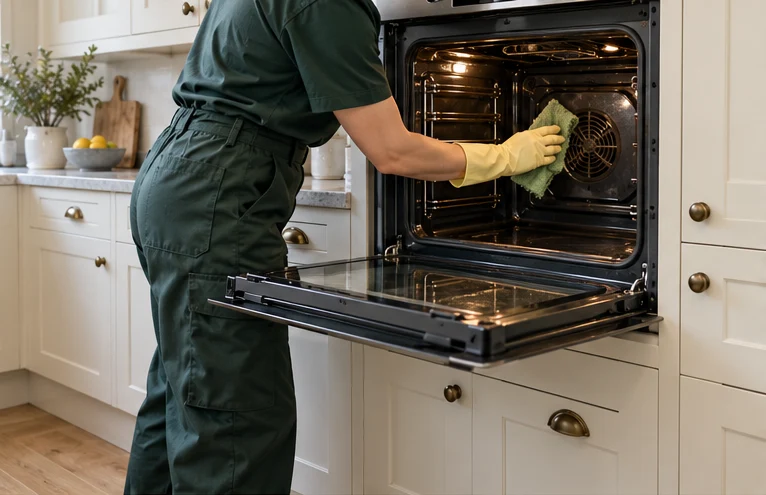
Look for the manufacturer’s description of the cleaning system in the manual. It may describe a programme or particular panels, and its instructions may treat racks and other removable components separately. Tell the team what the manual actually says rather than relying on a remembered label from the original sales page.
If you are unsure, explain the appearance of the liners and provide the model details without dismantling anything to investigate. A photograph may help if requested, but it is not a substitute for the relevant appliance information. Mention whether you have used a cleaning programme recently and whether residue or product film remains afterwards.
The general oven cleaning London guide explains the wider service. For your Hackney enquiry, the useful addition is a clear account of the actual surfaces and products involved. Do not assume that a specialist visit means every interior finish will be soaked, scraped or treated with the same chemical method.
Separate the cleaning tasks
A rack and a liner are not the same job.
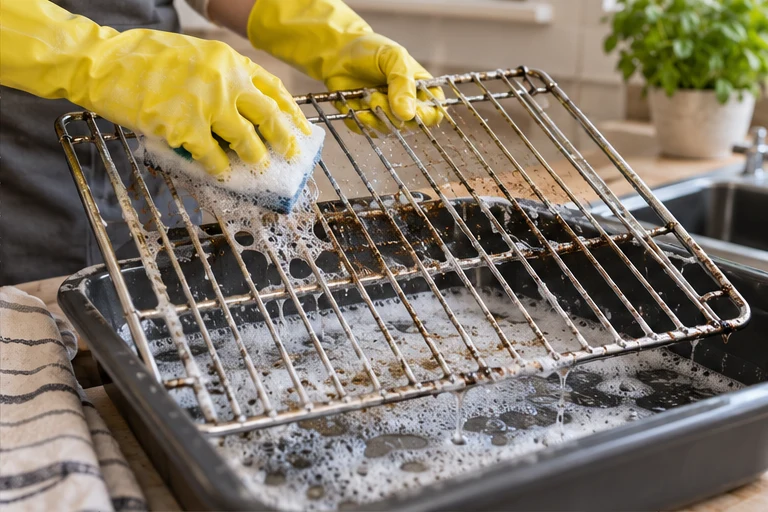
Suitable metal racks, trays and supports may be removed for individual attention, with dip-tank cleaning used for appropriate components in the published specialist process. Coatings, telescopic mechanisms and particular fittings can change what treatment is sensible. Give the team a chance to identify those details rather than detaching everything and presenting a mixed pile of parts.
The cavity and its liners need a method that respects the manufacturer’s instructions and their present condition. Do not add a fresh cleaner over a previous product or scrub textured panels simply because they still look dark. Tell the technician what was applied, where it was used and whether the appearance changed afterwards.
Door glass and seals require separate consideration from the cleaning programme. Accessible glass can be addressed within the agreed scope; between-pane access depends on safe construction and fittings. A programme that helps with interior residue does not establish that a door can be dismantled or that worn seals are a cleaning problem rather than a damaged component.
Account for every appliance
One cleaning system does not describe the whole kitchen.
A second cavity may have a different finish or function from the main oven. Identify a separate grill and its accessories even when both compartments share one front panel. The team needs to know which parts you want cleaned and whether any has a different history of product use or heavy grease accumulation.
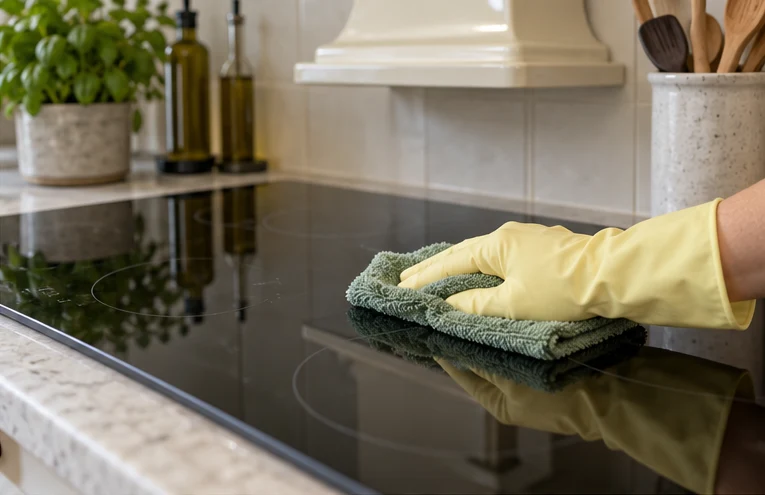
A hob or extractor should be listed as an addition, with the surface and accessible filter details supplied. Avoid assuming that a removable filter can always be washed or that every burner component tolerates soaking. Ask what can appropriately be included and what preparation is needed for the specific appliance design.
For surrounding cupboards and worktops, discuss deep kitchen cleaning rather than expecting the oven scope to expand across the room. For failed heating or electrical symptoms, read about oven repair. A self-cleaning feature does not change the distinction between removing deposits and diagnosing a fault.
| Appliance or component | Scope to agree | Useful information |
|---|---|---|
| Specialist liners | Method discussed against the finish | Model and manufacturer guidance |
| Plain removable racks | Separate cleaning where suitable | Coatings or moving mechanisms |
| Door glass | Accessible surfaces and safe panel work | Fitting condition and trapped residue |
| Additional cavity | Individually agreed compartment care | Different finish or grill function |
Prepare without experimenting
Leave the next treatment to the agreed plan.
Do not run an unfamiliar programme simply because an appointment is approaching. Check the manual and discuss your appliance’s situation first. Preparation should focus on letting the oven cool, removing food and personal items, and explaining any recent cleaner or programme use. That gives the technician accurate information rather than another uncertain treatment to assess.
Clear the floor and nearby working surfaces, and ensure the oven door can open normally. Leave racks and panels for inspection unless the team specifically advises otherwise. If a part is already loose or missing, mention it in advance so a standard cleaning request does not conceal an access or reassembly problem.
Agree access to hot water and electricity and make time for the final instructions. If somebody else will cook after the visit, arrange to pass those instructions on. Keep the manual available where possible; it can support a useful discussion about suitable everyday care after the professional work is complete.
Confirm the practical route
Hackney access should follow the actual property.
Hackney Council publishes a parking permits and vouchers guide. Use it to check the relevant visitor arrangements and conditions for your location rather than borrowing assumptions from a neighbouring street. Read the signs for the proposed bay and coordinate any required vehicle details after the appointment is confirmed.
Explain whether the route involves shared entry, stairs, a lift or a private parking area. These are possible circumstances to discuss, not a description of every Hackney home. Give the entrance instructions that will actually work and a phone number for someone able to provide access when the technician arrives.
If the address has managed access or a time-limited visiting arrangement, check it with the property contact before agreeing the booking. The advertised London service area still requires a full postcode check. Clear access information helps determine a workable appointment; it does not establish a guaranteed arrival time or an automatic right to park.
Keep the aftercare specific
The manual remains useful after the clean.
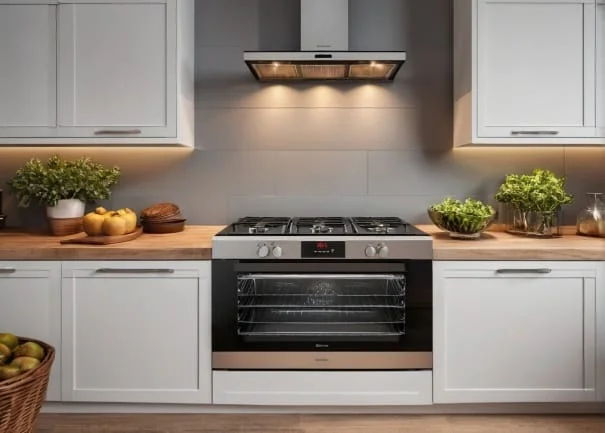
Ask which deposits were removable and which marks reflect wear or the nature of the finish. Not every dark or textured area should be made shiny. A material-appropriate result can be more valuable than uniform appearance, particularly when a surface performs a specialist function and its instructions limit conventional cleaners.
Discuss suitable routine wiping and the use of any cleaning programme according to the appliance guidance. Avoid carrying advice from a previous cooker across to the current one without checking. If an unfamiliar smell, fault or damaged fitting remains a concern, raise it directly rather than assuming a cleaner will solve every symptom.
Before booking, request the complete quote for the chosen compartments and additions and confirm exclusions. At handover, ask when and how the model should next be used. Keeping the scope, surface information and instructions together makes future care easier and avoids repeating unsuitable treatments because the result was judged only by appearance.
Questions before booking
Hackney oven care: the details worth checking.
Should I run the self-cleaning programme before you arrive?
Do not assume that is required. Read the model instructions and discuss the appointment first, especially if there are faults or uncertain residues. Tell the team about any programme already used and let the appliance cool fully.
Can I use a standard spray on textured liners?
Check the manufacturer’s instructions rather than treating every oven surface alike. Explain the liner type and any previous product use when enquiring. The appropriate method depends on the finish and condition, not just the amount of visible dirt.
Does self-cleaning mean the racks never need attention?
Accessories may have separate instructions from the cavity or programme. Identify the fittings and ask what treatment is suitable. Do not leave components in a cleaning cycle or soak them simply because another oven permits it.
What if I have already applied the wrong product?
Tell the team exactly which product was used and where, and follow its instructions. Avoid adding another treatment to hide the first attempt. Existing discolouration or damage needs honest assessment rather than a promise that cleaning will reverse it.
Will cleaning correct a failed programme?
A programme that does not operate normally is an appliance concern to describe before booking. Removing grease is not fault diagnosis. Ask whether the issue should be assessed through repair rather than assuming more cleaning is the answer.
Planning a visit at another address?
Explore the surrounding area guides.
For another household, read the guides for Shoreditch, Stratford, Walthamstow. Find the full collection in Areas We Cover. These guides help you prepare an enquiry; availability is confirmed for the full postcode.
Professional Oven Care / Hackney
Ready to discuss your oven?
Call with the model, condition and access details. Confirm the work and complete quote before arranging your appointment.