
The kitchen care journal
An everyday oven-care routine that fits around cooking
A useful routine should be easy enough to keep. You do not need to dismantle the cooker after dinner; you need to notice residue, use the right method and know when a task has become more than ordinary maintenance.
In this guide
After cooking: observe, then wait for cooling
Look at the parts that collect everyday residue
Keep a small list instead of a growing weekend job
After cooking: observe, then wait for cooling
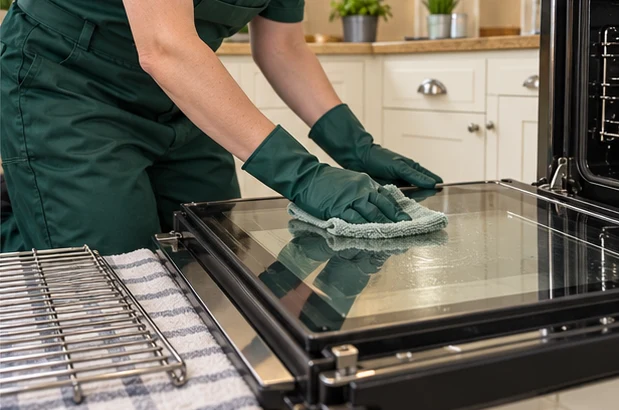
Notice spills or food that has fallen onto the oven floor. Once the appliance is cool, follow the manual for removing accessible residue. Do not reach past hot racks or treat a warm surface without instructions permitting it.
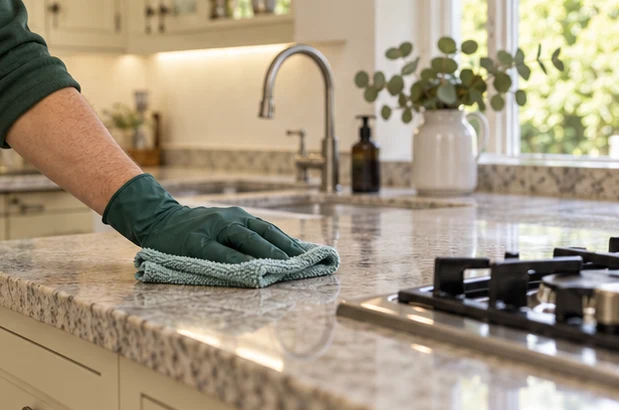
Keep the surrounding worktop clear so you can handle accessories safely. A cluttered space makes a simple wipe more awkward than it needs to be.
Look at the parts that collect everyday residue
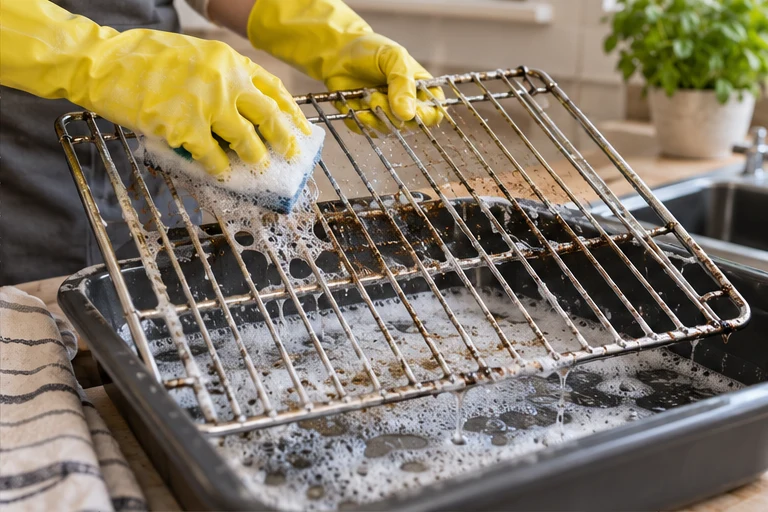
Check the glass, racks and trays rather than only the door handle. Decide whether the parts need attention individually. Coated trays and specialist liners may have their own care requirements.
Use the product, quantity and tools suitable for the material. More liquid and harder scrubbing do not necessarily mean better cleaning, especially around glass, seals and controls.
Keep a small list instead of a growing weekend job
Separate quick surface maintenance from tasks that require more preparation. A fridge clean needs food storage arrangements; a full cupboard clean needs emptied interiors. The same principle applies to a specialist oven visit.
If you share the kitchen, agree who notices and clears spills. A consistent, modest routine is easier to sustain than a long list nobody has time to complete.
Use the condition to judge the next step
Heavy grease and repeatedly baked-on food may need a deeper clean. Describe the build-up when booking instead of relying only on how long it has been since the previous visit.
Do not assume every dark mark can be removed. Etched glass, scratches and worn coatings need a different discussion from grease. Point out known damage before anyone starts work.
Worth keeping in mind
A manageable routine
Cool first. Check the instructions. Treat the relevant surface. Notice changes. Ask for help when access, build-up or a fault goes beyond routine care.
Recognise a fault early
An oven that does not heat correctly or trips the supply is not simply a cleaning task. Stop using an appliance that appears unsafe and seek suitable assessment. Do not dismantle it to check a suspected part.
Keep the model details and any error code handy. They help the team distinguish a cleaning enquiry from a repair enquiry and advise on the appropriate next step.
When professional help is useful