
The kitchen care journal
Three overlooked kitchen problems worth noticing early
A kitchen can look tidy while an awkward corner, a damp patch or a failing fitting needs attention. Looking more carefully does not mean diagnosing everything yourself. It means noticing the difference between dirt and a problem that calls for another kind of help.
In this guide
Grease in the places you do not wipe daily
Grout, silicone and fittings that are no longer intact
Grease in the places you do not wipe daily
Racks, trays and door glass can collect deposits beyond the reach of a routine surface clean. The extractor also has its own care requirements. Check its manual before washing or replacing a filter.
A specialist oven clean can address suitable deposits and removable parts. It cannot reverse damaged coatings or diagnose a failing heating component. Describe both the condition and any operational issue before booking.
Damp that keeps returning
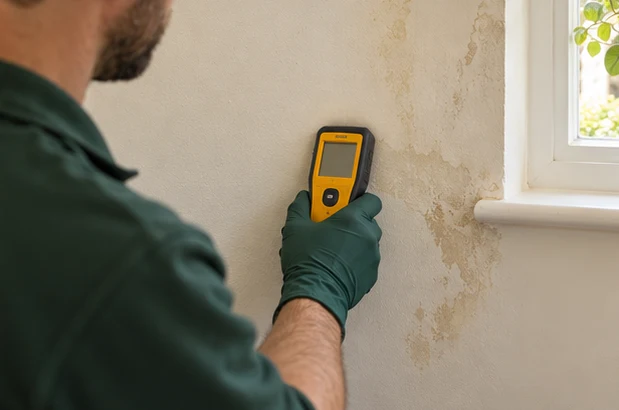
A patch around a window or behind a unit may be a sign of ongoing moisture. Condensation, a leak or a wider building issue can require different responses; a photograph alone does not establish the cause.
Government guidance emphasises addressing moisture sources. If you rent, report damp and leaks and retain a record. Repeatedly cleaning or painting a patch is not a substitute for resolving an active problem.
Grout, silicone and fittings that are no longer intact
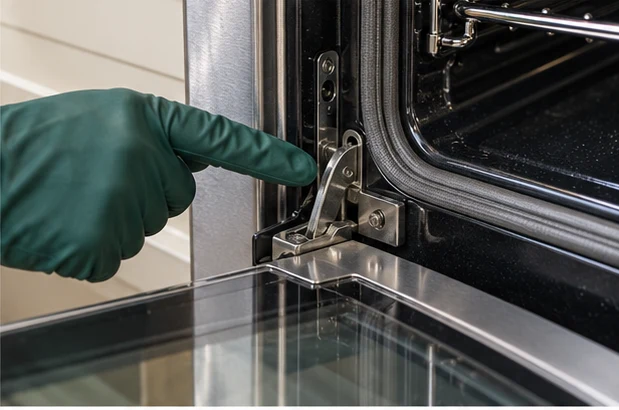
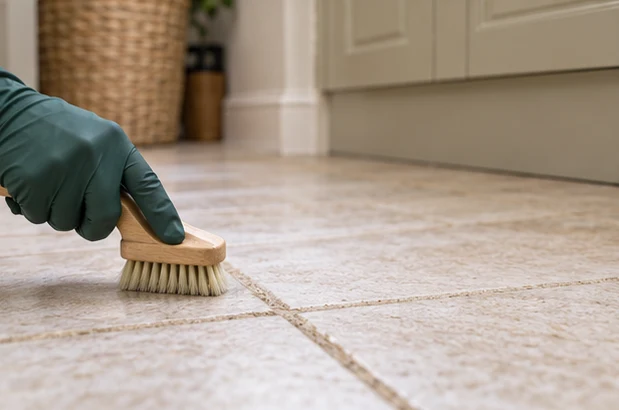
Dark joints can hold dirt, but cracks, missing grout and failed silicone need a separate discussion. Likewise, a loose oven fitting is not just an awkward place to clean around.
Point out existing damage before a visit. Ask whether repair, replacement or sealing is included. Do not take a cleaning quote as a promise to restore every joint or fitting.
Make a clear record rather than experimenting
Note where the issue is, when it started and what has changed. Keep the appliance model or surface details available. Explain products already used and any reaction you observed.
Avoid repeated aggressive treatment or dismantling to investigate. If an appliance appears unsafe, stop using it and seek appropriate assessment. Observation is useful; guessing a repair is a different task.
Worth keeping in mind
A practical rule
If a mark keeps returning, a surface has deteriorated or an appliance behaves differently, describe that change before asking for a stronger clean.
Choose the service by the problem
Book cleaning for suitable residue, repair for a fault, and an assessment for damp that needs its source understood. Some jobs can be coordinated, but each scope and provider should be clear.
Ask what is included, what may remain afterwards and what follow-up could be needed. A realistic conversation before the visit is more valuable than an unsupported promise that everything will be fixed in one appointment.
Government guidance on damp and mould ↗
When professional help is useful